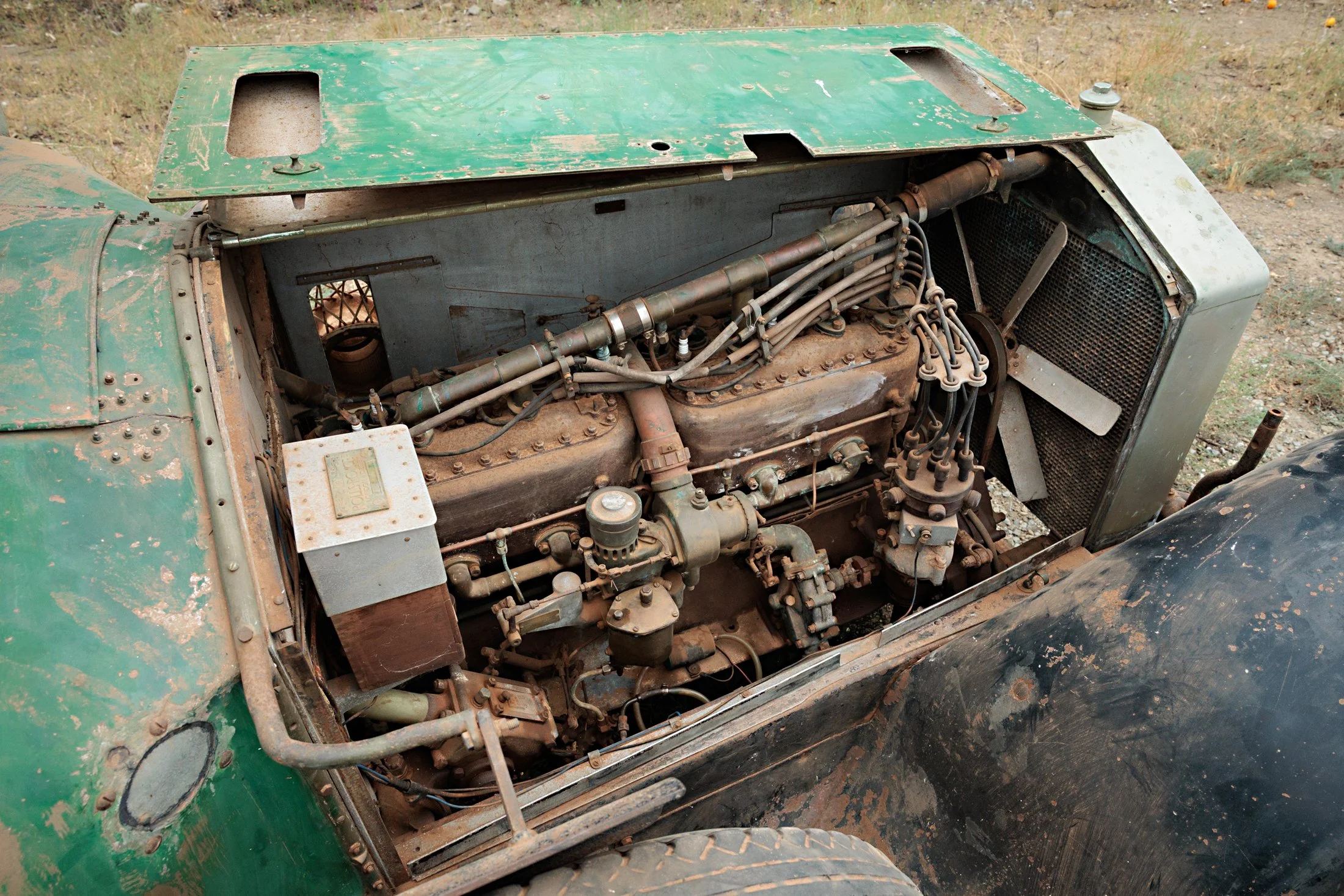
Chassis No. 17CB
Engine No. 23S
Gearbox No. 17CB
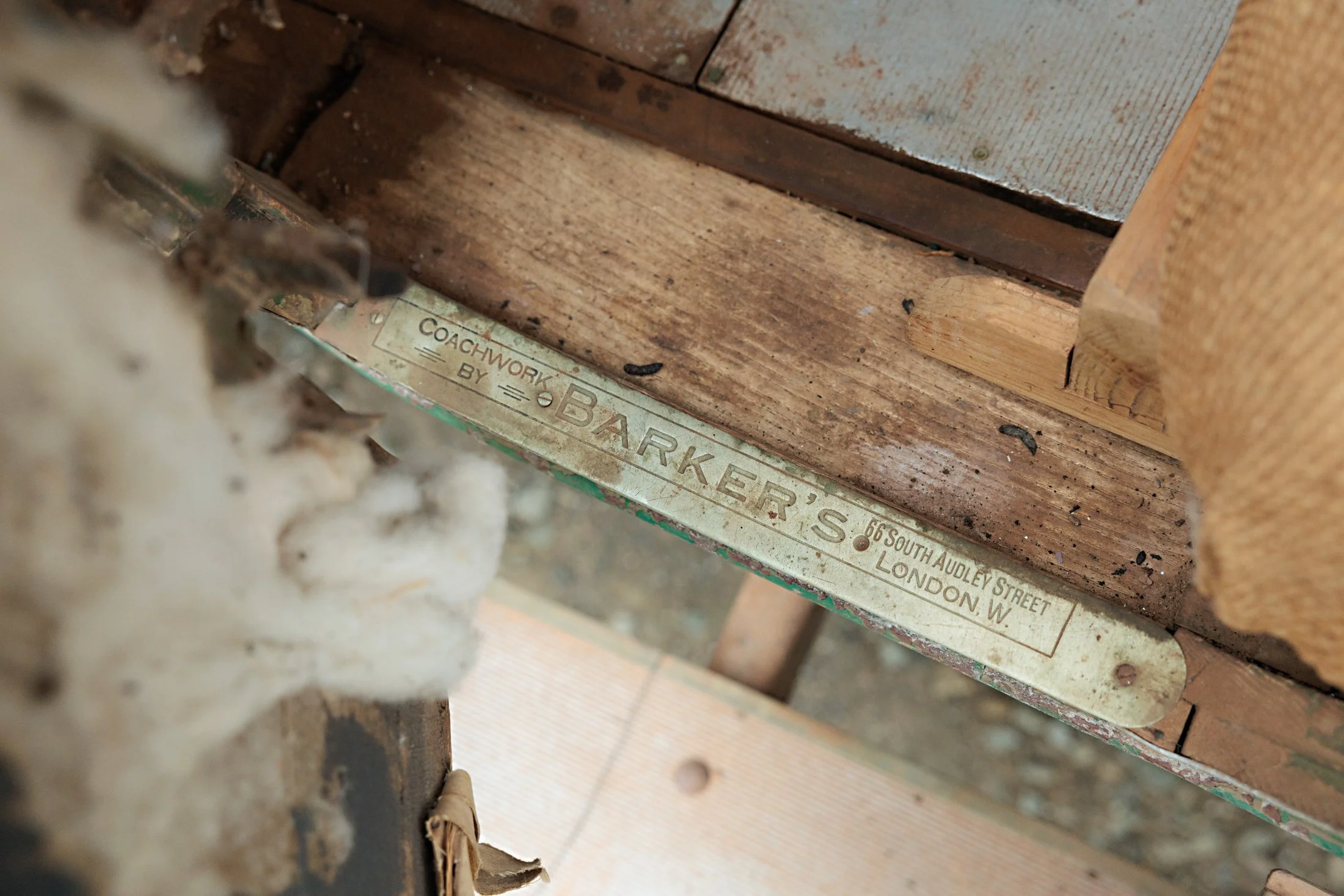
Barker Body No. 4057
⁃ An exceptionally rare original bodied pre-war Silver Ghost
⁃ Desirable Barker tourer in exciting barn find condition
⁃ The last new pre-war Rolls-Royce imported to Australia
⁃ Just two owners from new, single-family ownership since 1924
⁃ Retaining its numbered original engine, gearbox, coachwork and more
⁃ An exceptionally rare opportunity to acquire an unknown, unrestored pre-war Silver Ghost that ticks all the boxes
One of our the more exciting finds in recent memory, this original Barker bodied Silver Ghost has been kept by the same family since 1924.
The Barker bodied open tourer, 17CB was “off test” at Rolls-Royce on August 5th 1915 and exported to Australia for delivery by importer Kellow-Falkiner in Melbourne. 17CB was one of only 14 Rolls-Royce cars delivered to private buyers during the Great War, and it was the last Rolls-Royce imported to Australia until after World War 1. The original purchaser of the car was Robert Alexander, a well-known cattle breeder based in the Hunter Valley in New South Wales.
In 1921, Dalgety & Co were appointed sole Australian agent for Rolls-Royce and promptly sold Mr. Alexander another new Rolls-Royce, subsequently listing 17CB for sale in 1923.
The Barker tourer was purchased by its second owner, Mr. Falconer, who travelled to Sydney to buy the car. The West Australian newspaper list of new registrations on September 25, 1924 registered to Mr. Falconer’s wife at their estate in Claremont. The Sunday Times on the 28th also listed the new registration of the Silver Ghost.
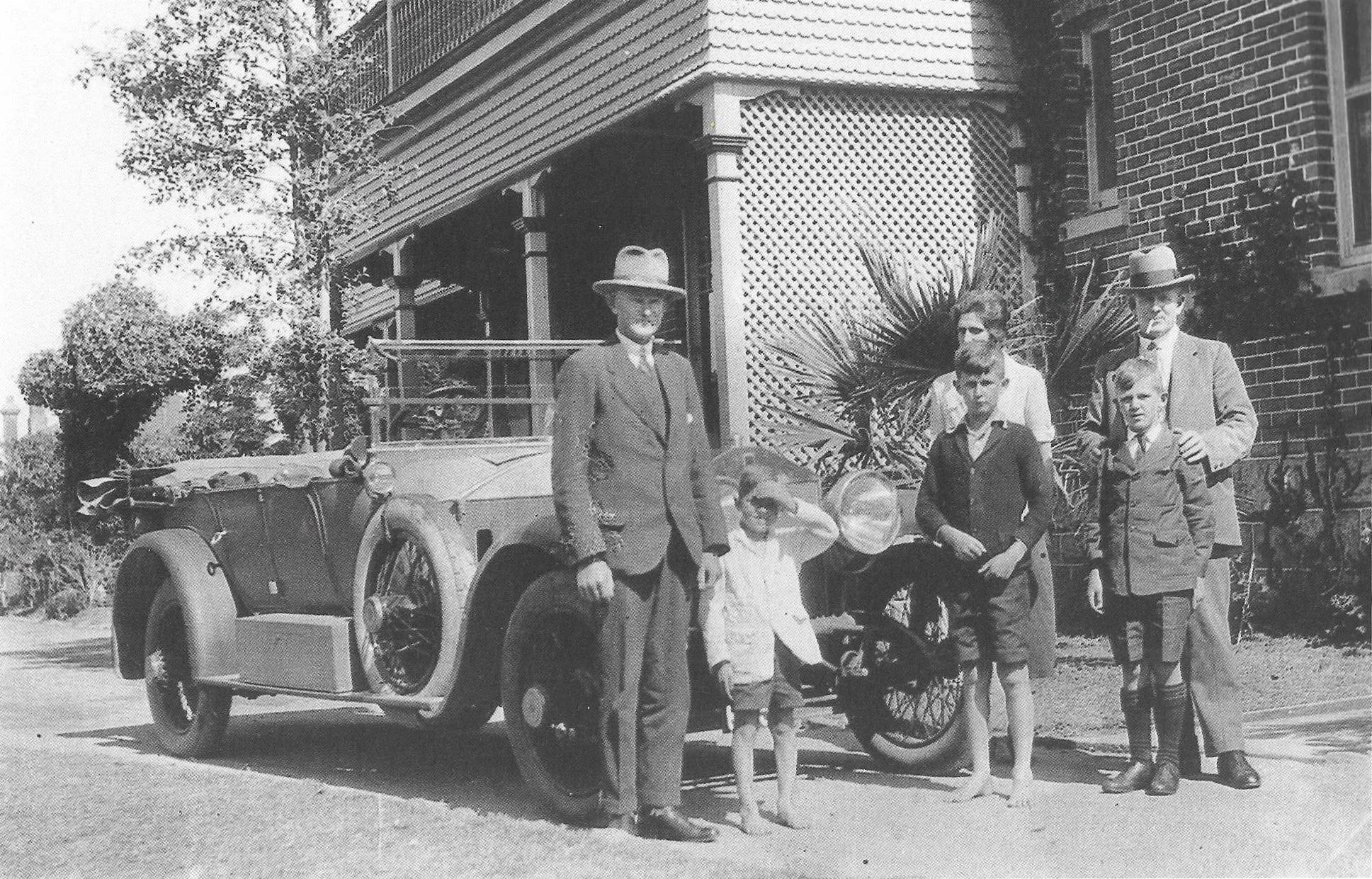
In Western Australia, the Rolls-Royce travelled between the Falconer’s very substantial Perth home in Claremont and their several rural properties many times. It also saw service running frequently to the Canning Stock Route (1150km from Perth - usually the preserve of 4-wheel-drives today), to various farms all over the state as well as to Menzies, where the owner had mining interests.
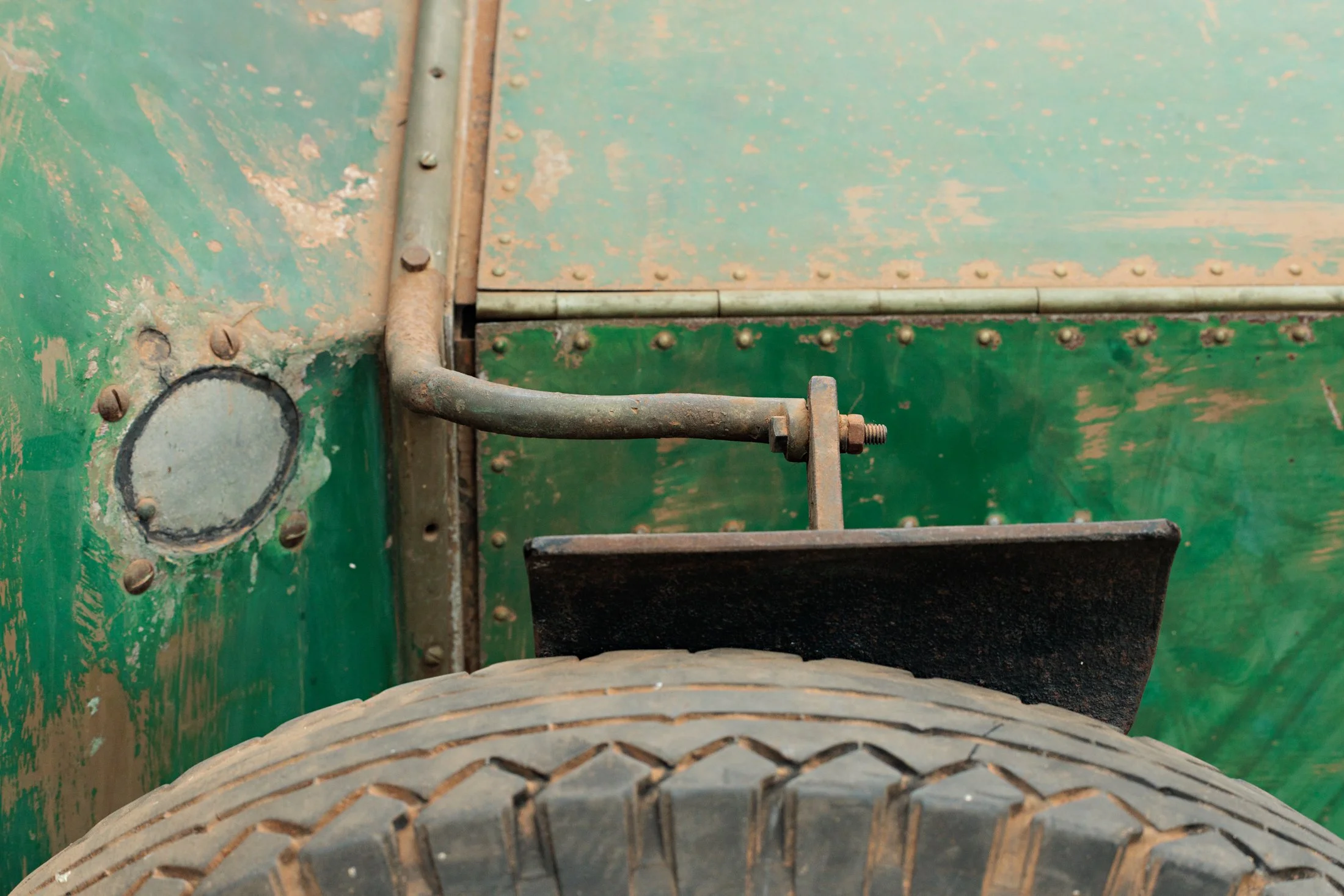
During World War two, 17CB was converted, with minimal modification, to run on a gas converter, with a charcoal-burner installed on the driver’s side running board. The family tells how one bag of charcoal was good for 40 miles, though later an improved gas producer was used. The Rolls-Royce also towed an agricultural trailer on occasion, on trips to the Canning Stock Route and, on another adventure, it crossed the Fitzroy River. This Silver Ghost proves the quality and adaptability of the model, remaining a highly usable example in the remote setting of Australia’s cattle and mining industry.
In December 1933, Mr. Falconer was interviewed by The West Australian newspaper about his ‘old’ Rolls-Royce, claimed to be the sole example of the brand in the state, as he extolled the virtues of his car.
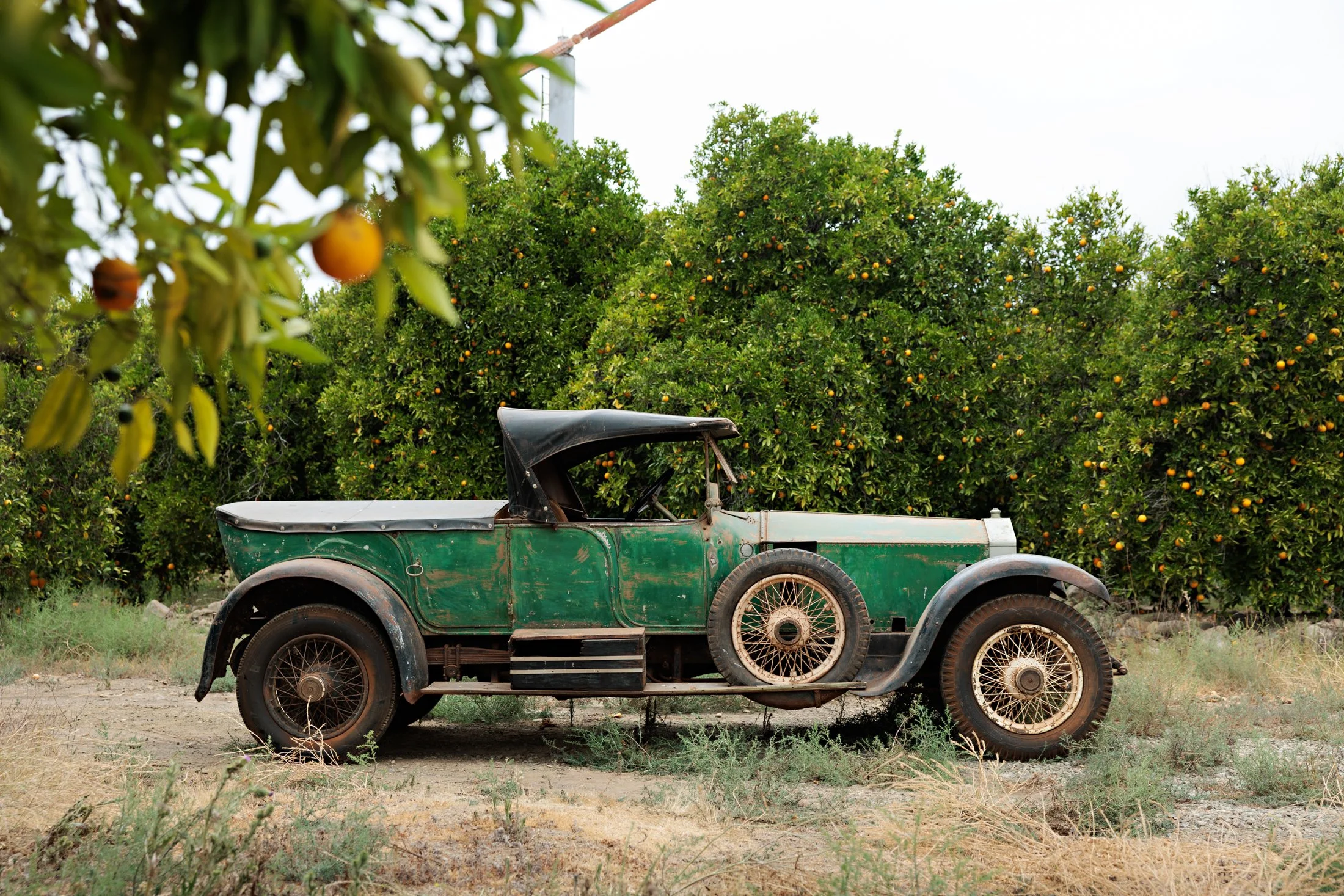
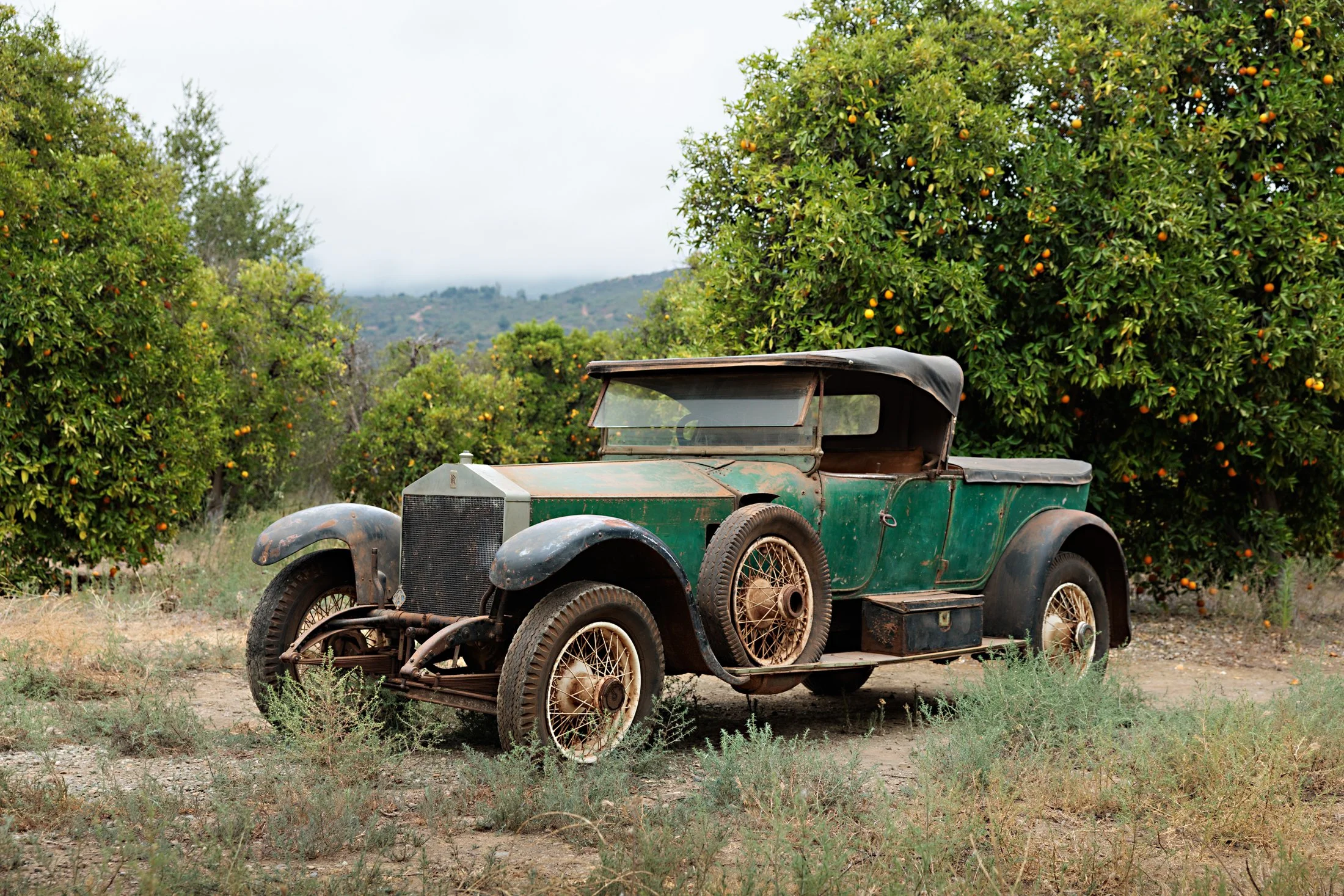
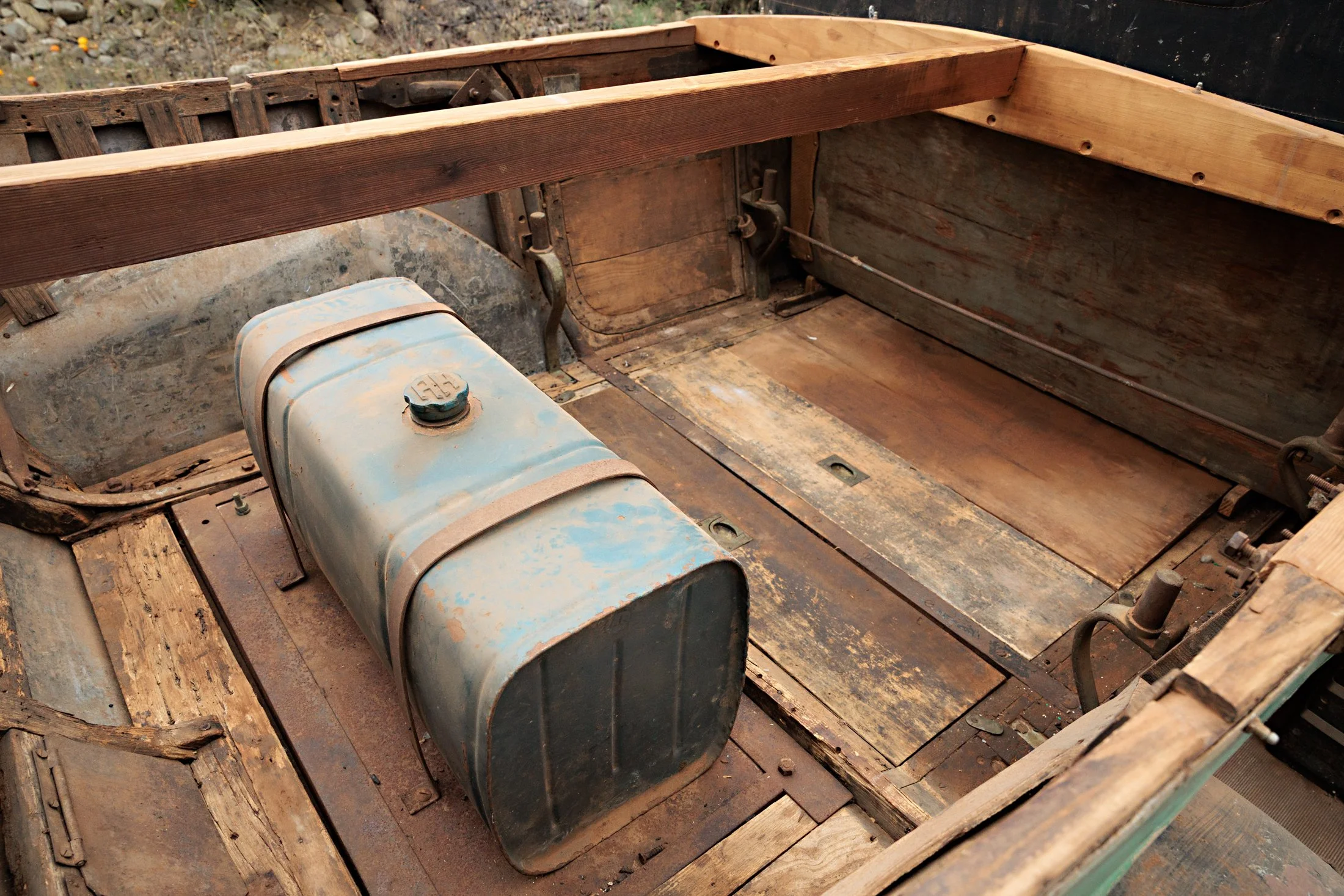
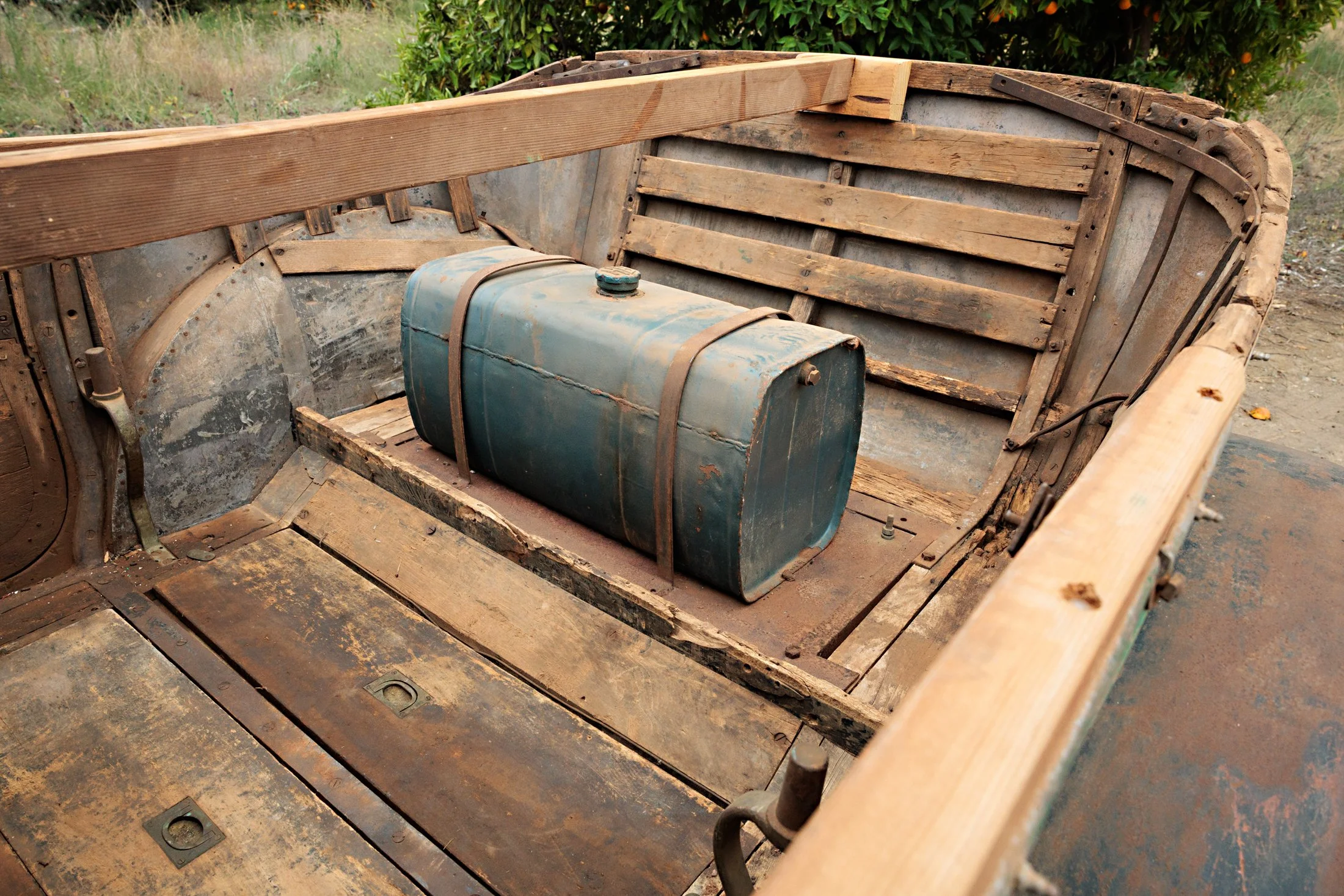
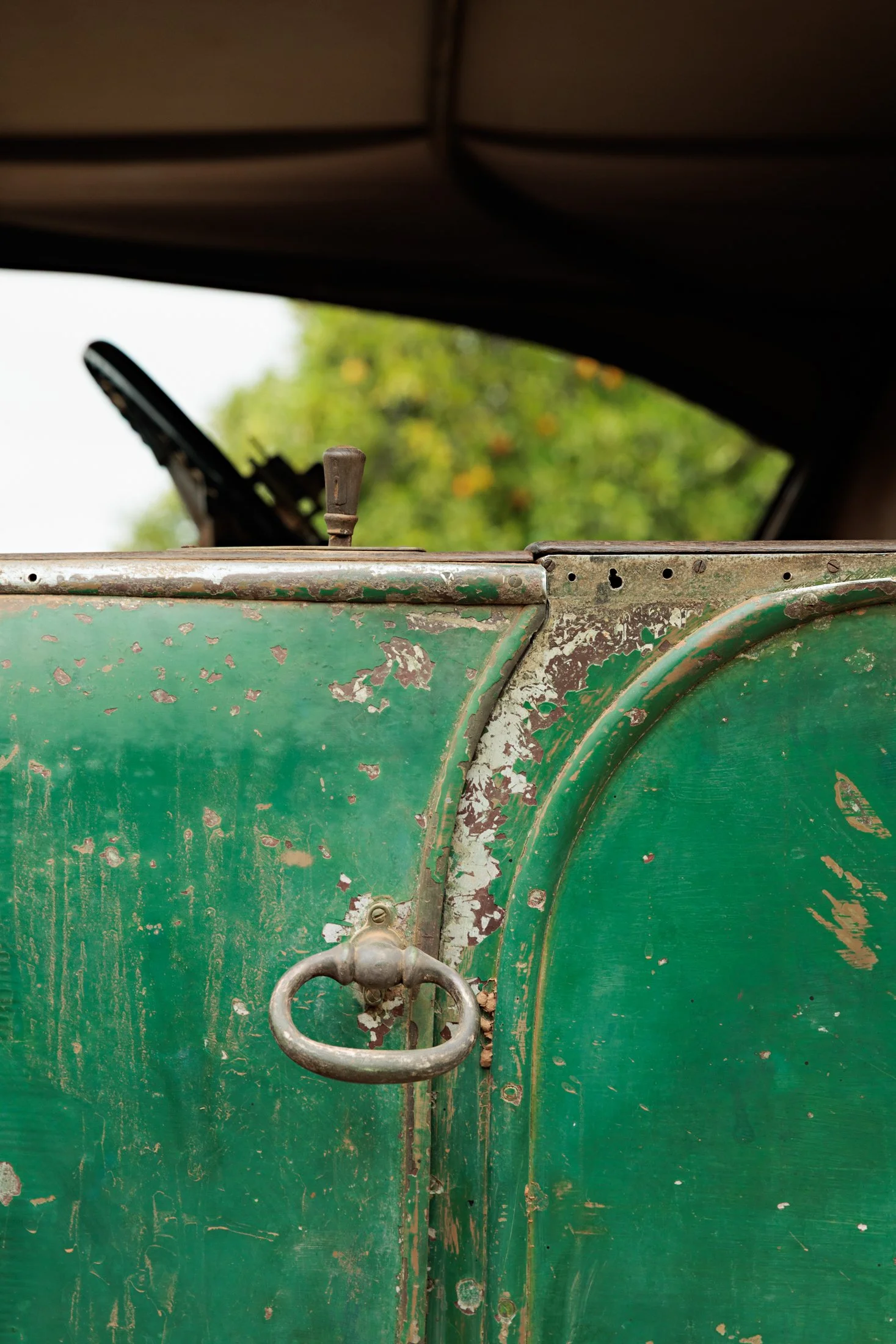
During the Depression licensing of commercial vehicles was far cheaper than passenger cars, which saw many vehicles converted to utilities with truck beds fitted. The owners of 17CB were clever, adapting the bodywork into a utility without disturbing the original Barker coachwork. The rear doors remained in place, with the handles later removed (and kept, still remaining with the car along with the rear top bows). This conversion also gave the car far more carrying capacity, which proved very useful. This simple work was undertaken by Perth coachbuilders Campbell & Mannix, which mainly worked on commercial vehicles.
In 1945 the family bought a second Rolls-Royce Silver Ghost, a newer model with enclosed bodywork. It too was put to work, in turn lightening the load for 17CB. In the 1940s and 1950s it was taken on several trips to the Kimberley’s in far north Western Australia – 2500km from Perth.
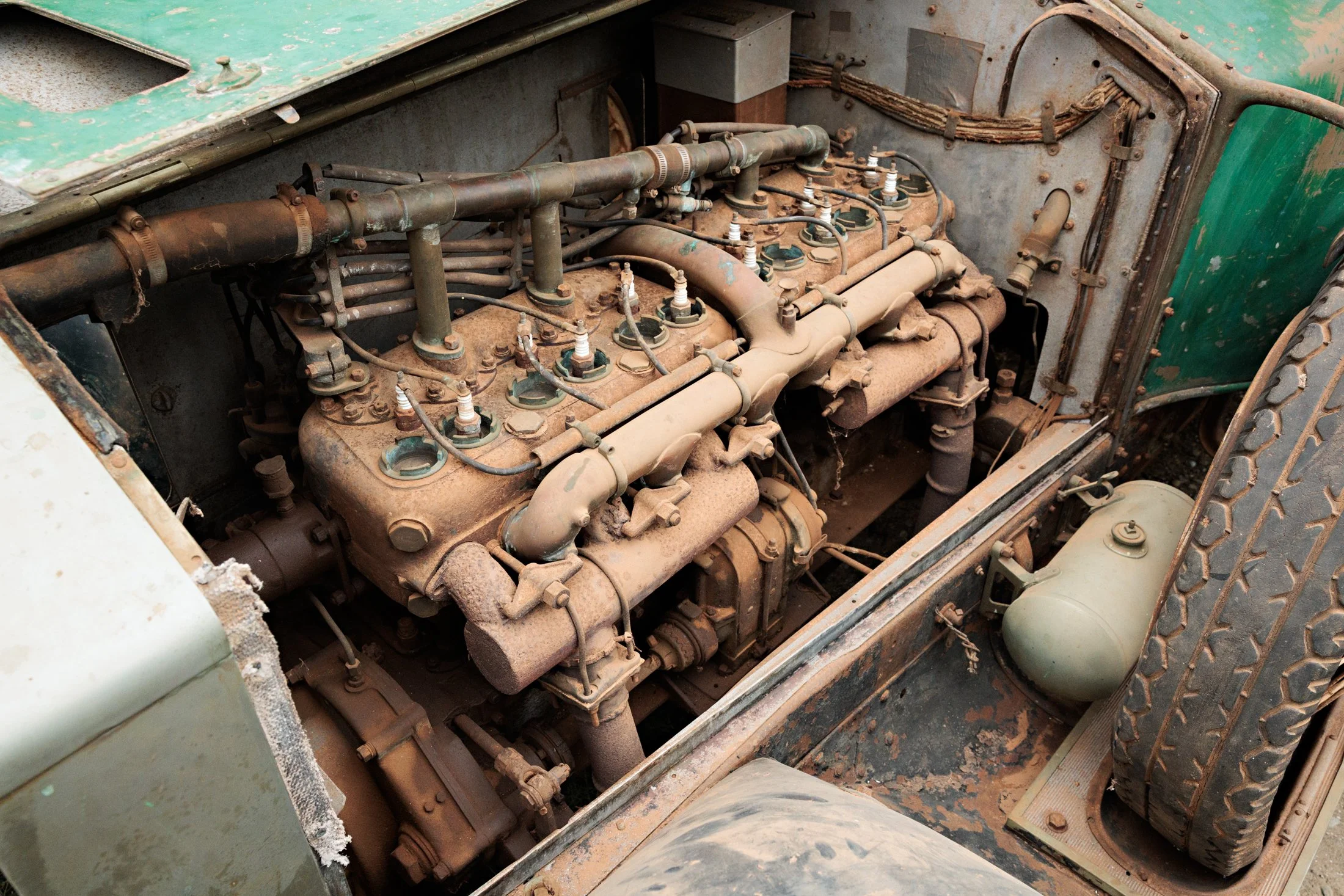
The superior build quality of the Rolls-Royce showed its strengths over the decades. In the 1960s it was thought that an engine rebuild may be worthwhile. New blocks were sourced, but when 17CB’s motor was pulled down it was “found to be in such fine fettle,” that a rebore was all that was required. The new blocks were sold on. 17CB remains a ‘matching numbers’ car to this day, retaining its original engine and gearbox.
The Silver Ghost made occasional appearances at Rolls-Royce Owners Club events – some at its farm, but notably in Perth at the 1997 Federal Rally, where it gained tremendous attention, driving some 400km during the event.
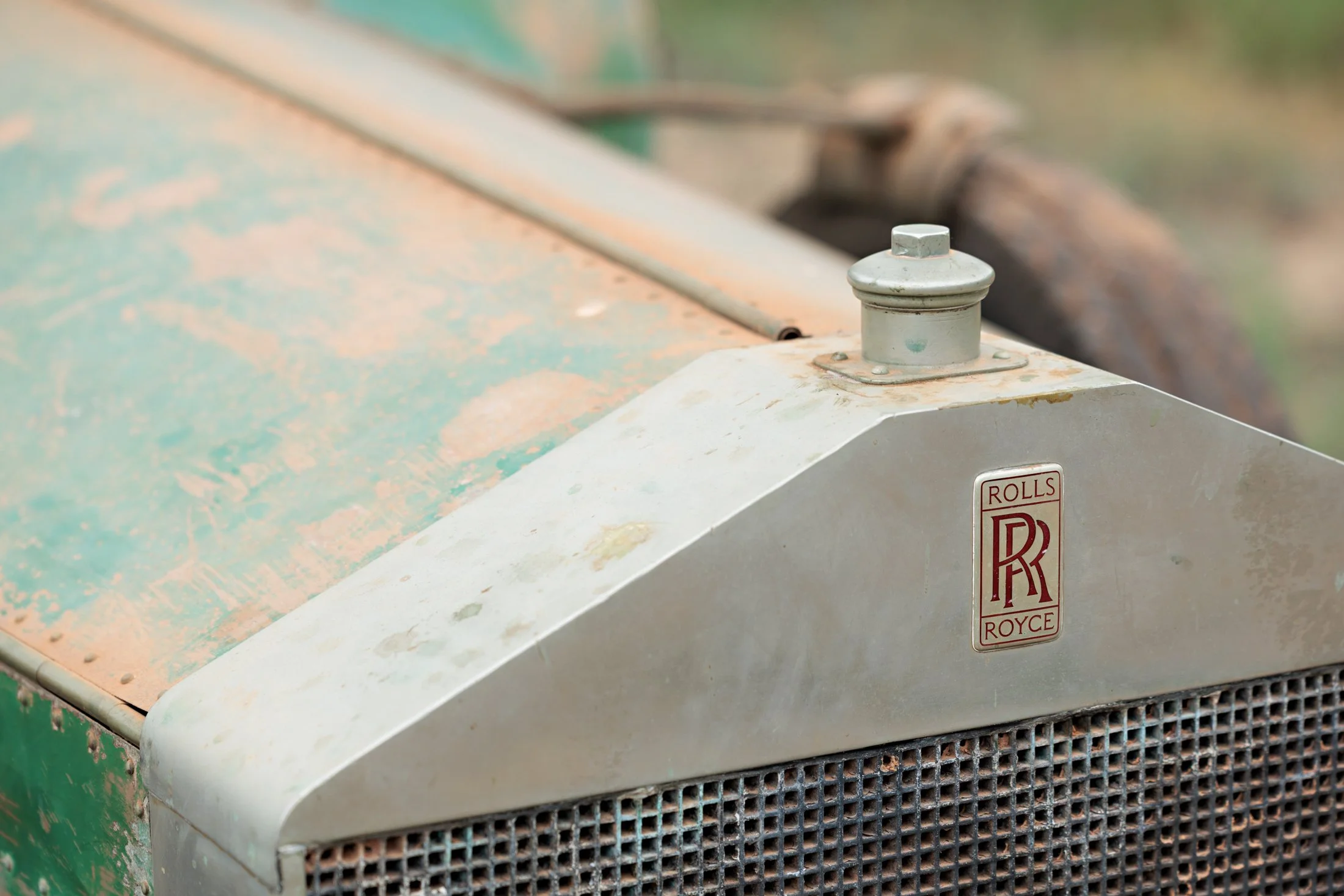
Notably, 17CB has the longest continuous ownership of any Rolls-Royce in Australia, having only just arrived in the US from over 100 years of single family ownership. More significantly, this Silver Ghost has retained its original Barker tourer coachwork (numbered 4057) since new - highly uncommon amongst pre-war Ghosts from any locale.
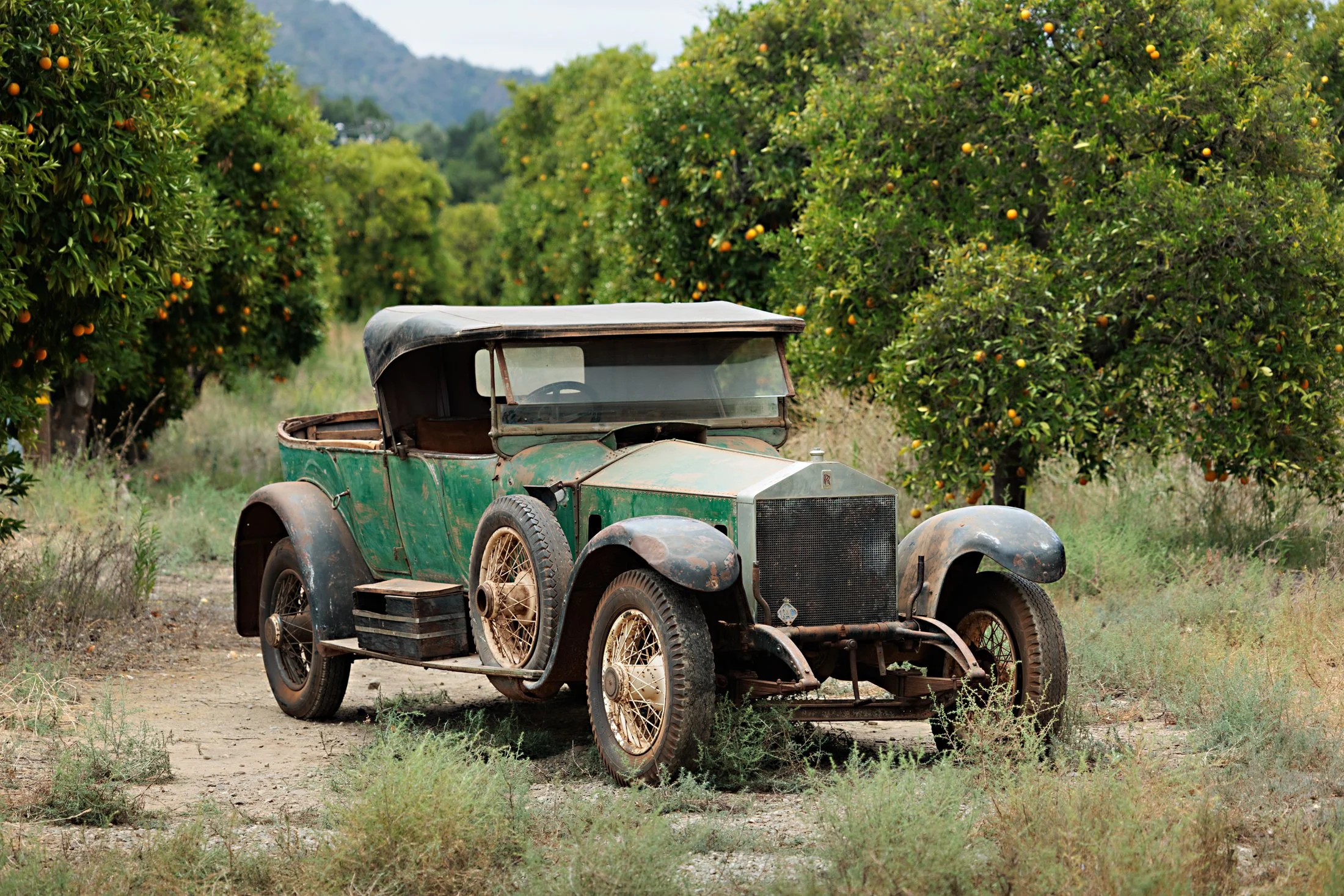
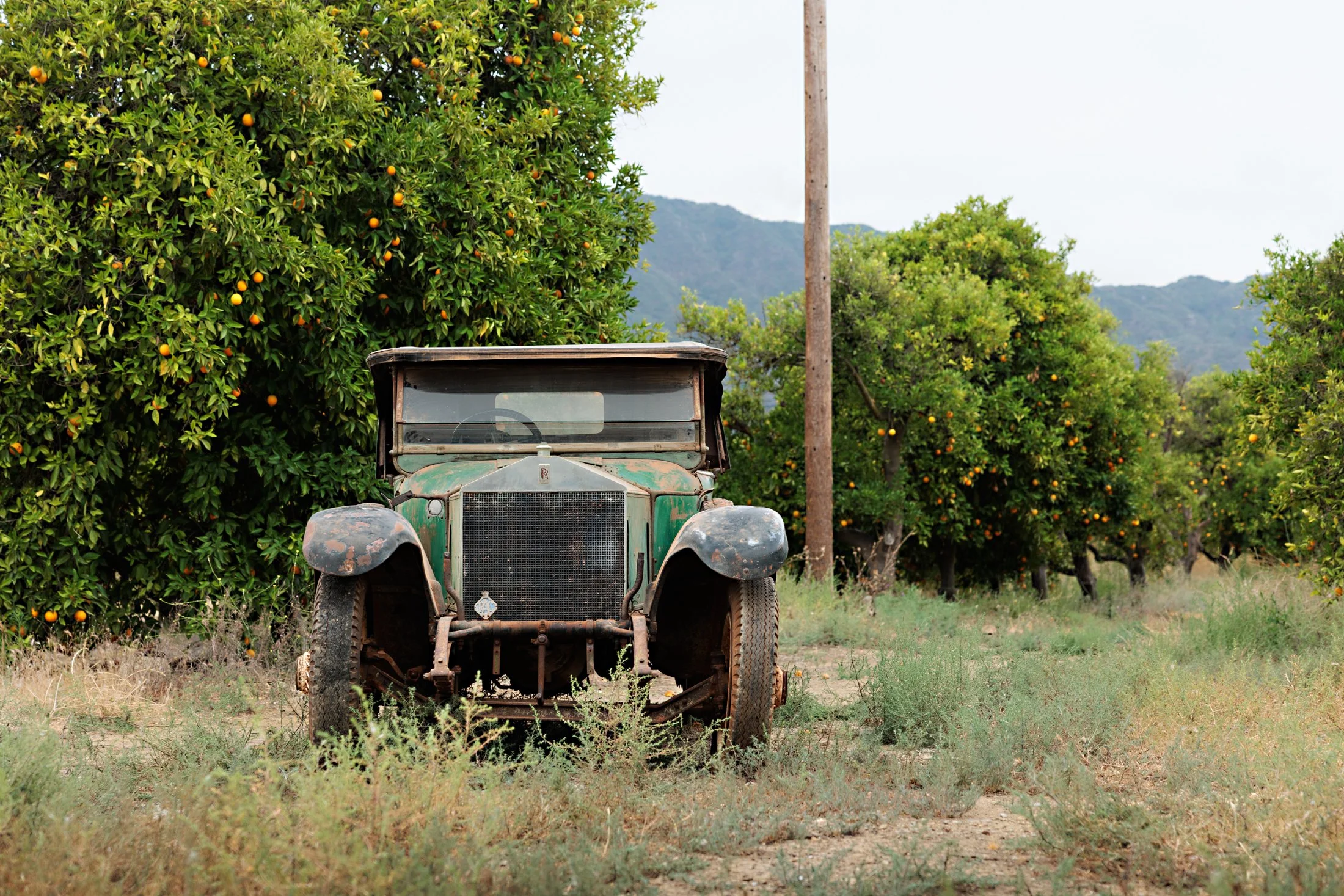
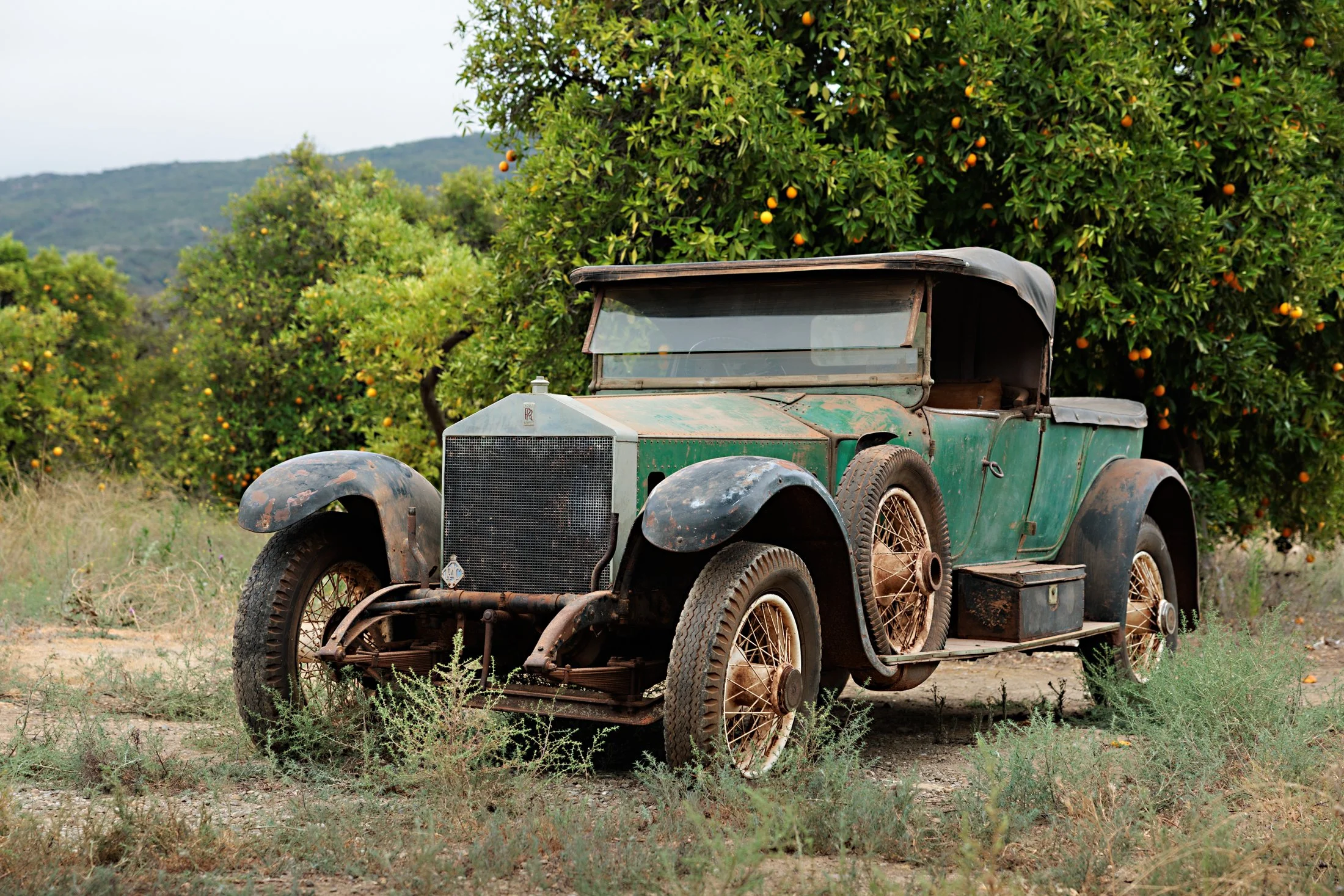
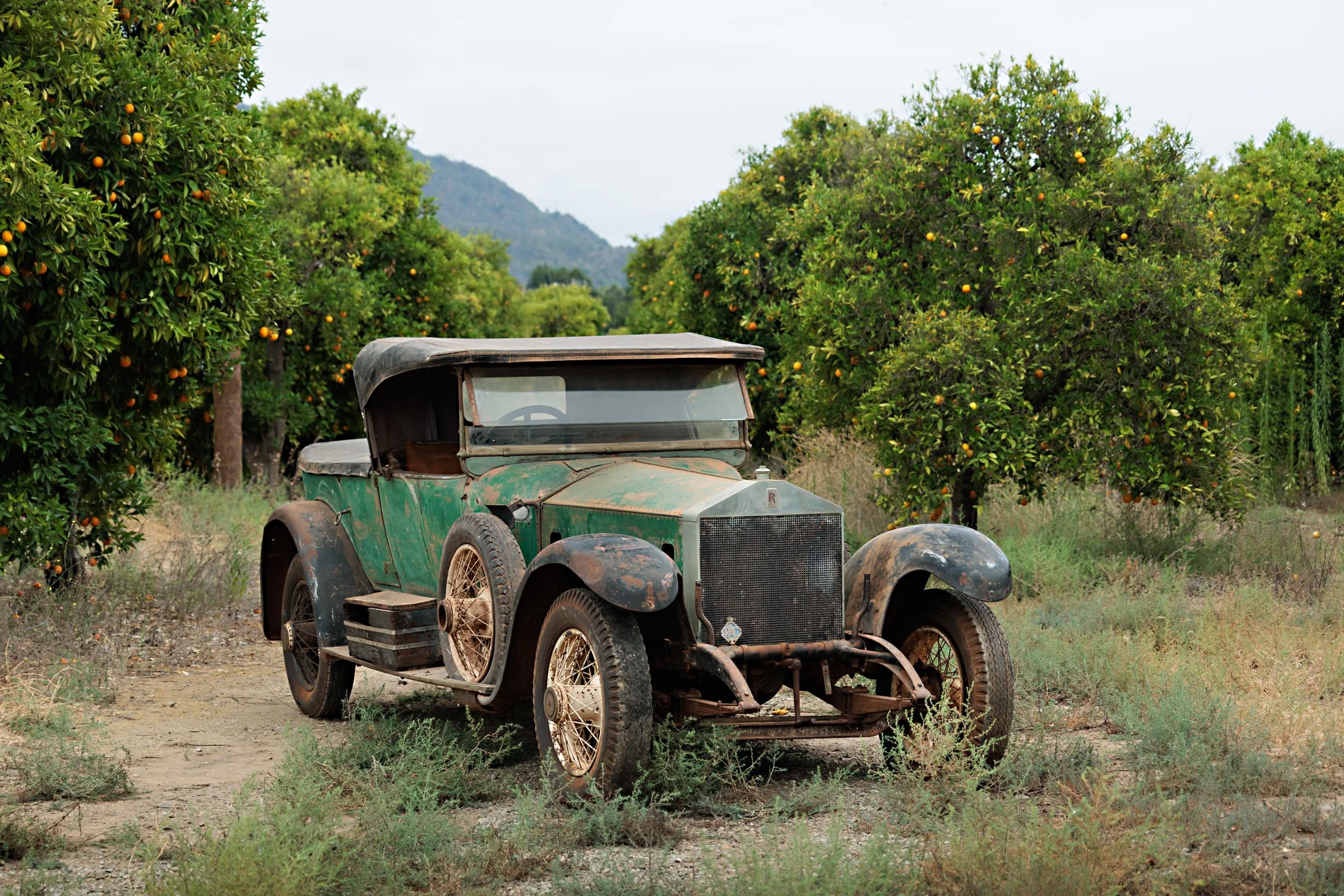
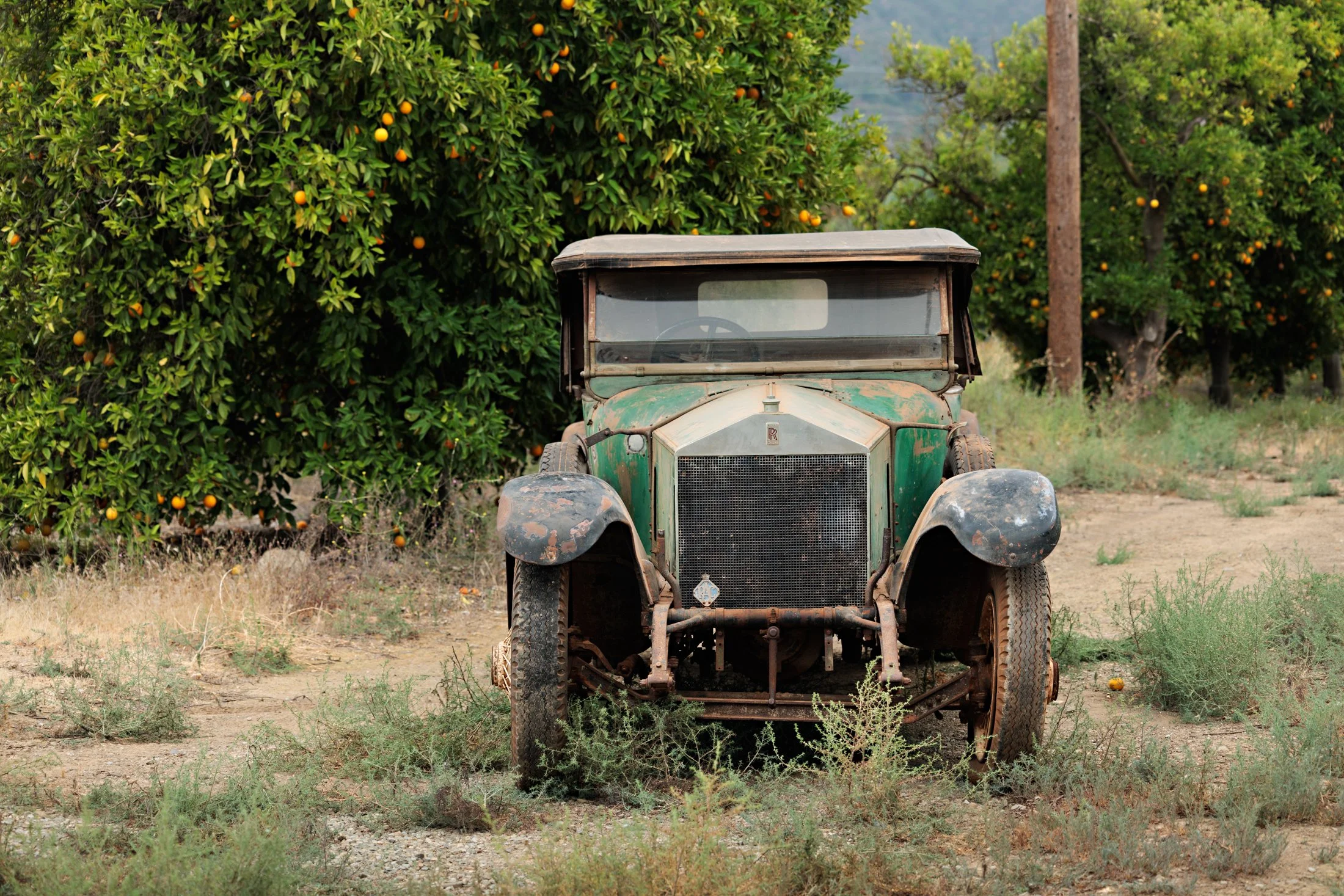
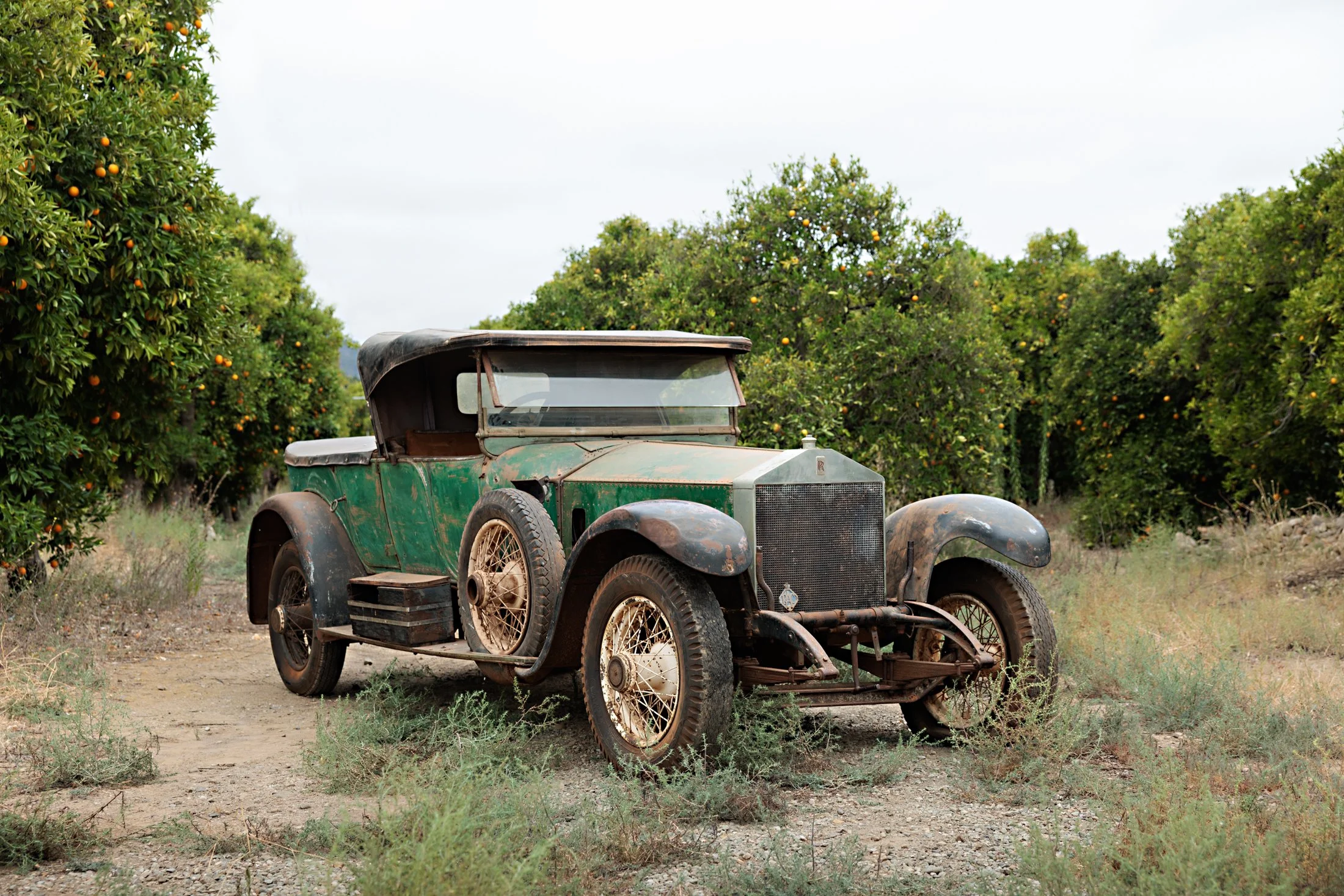
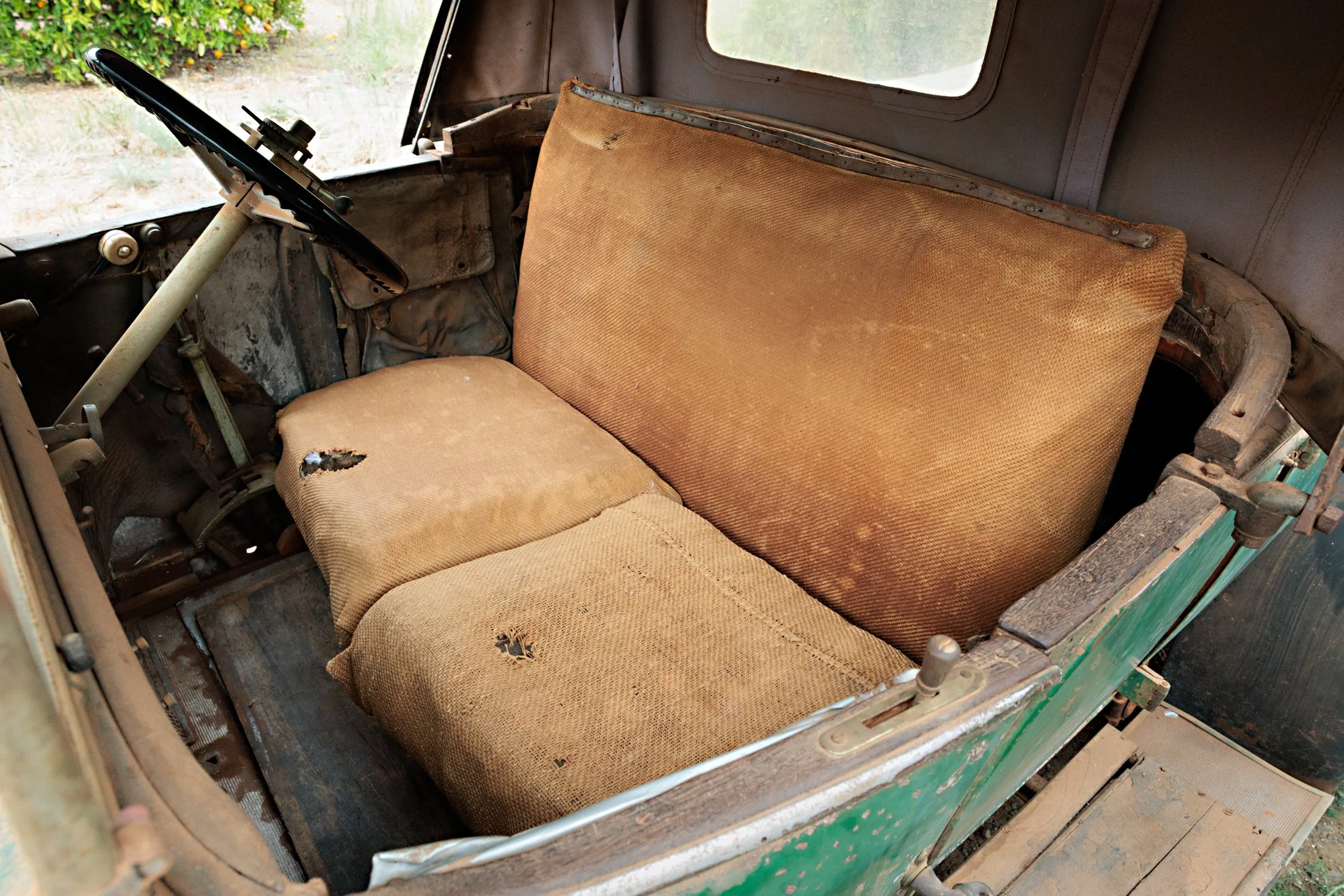
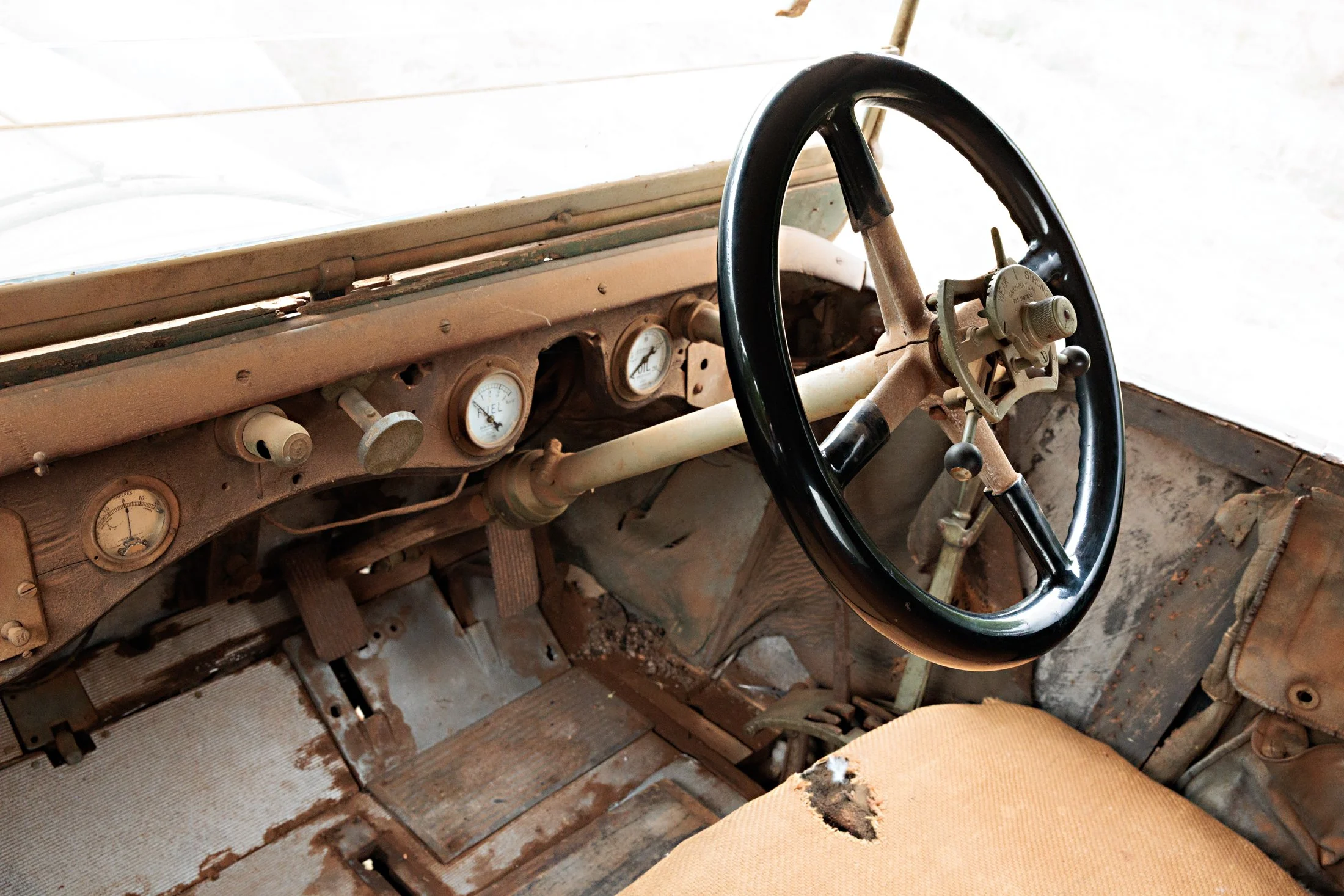
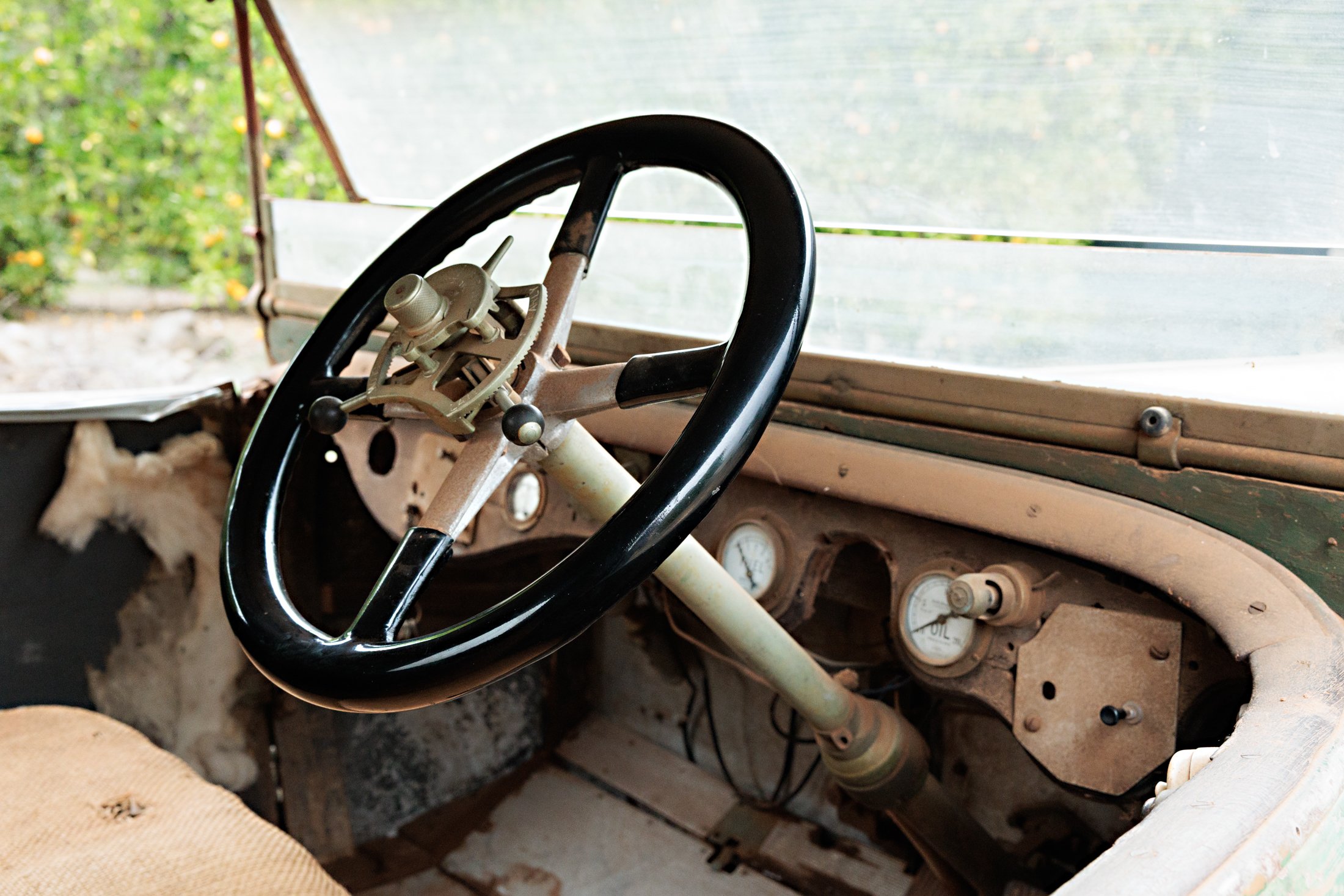
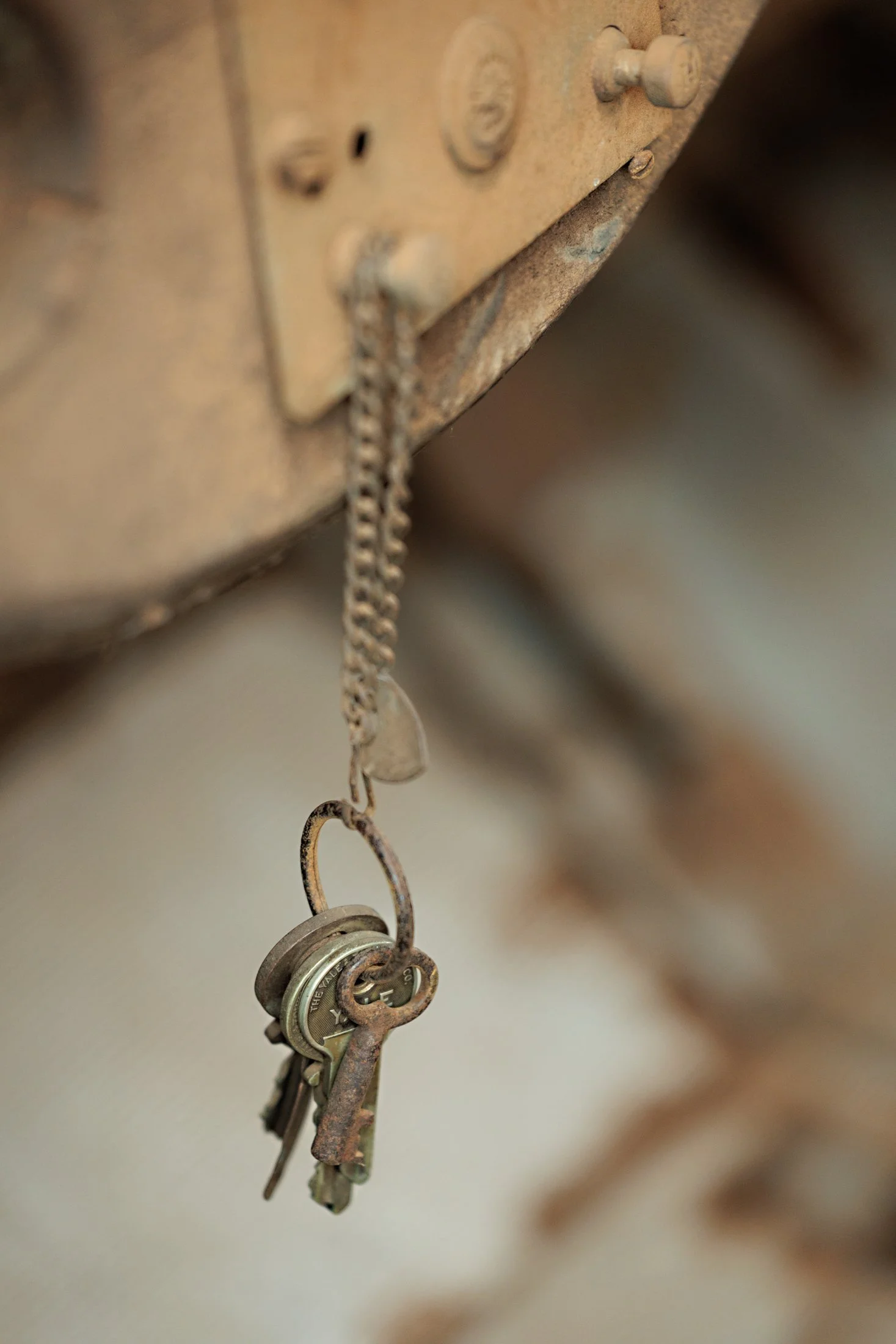
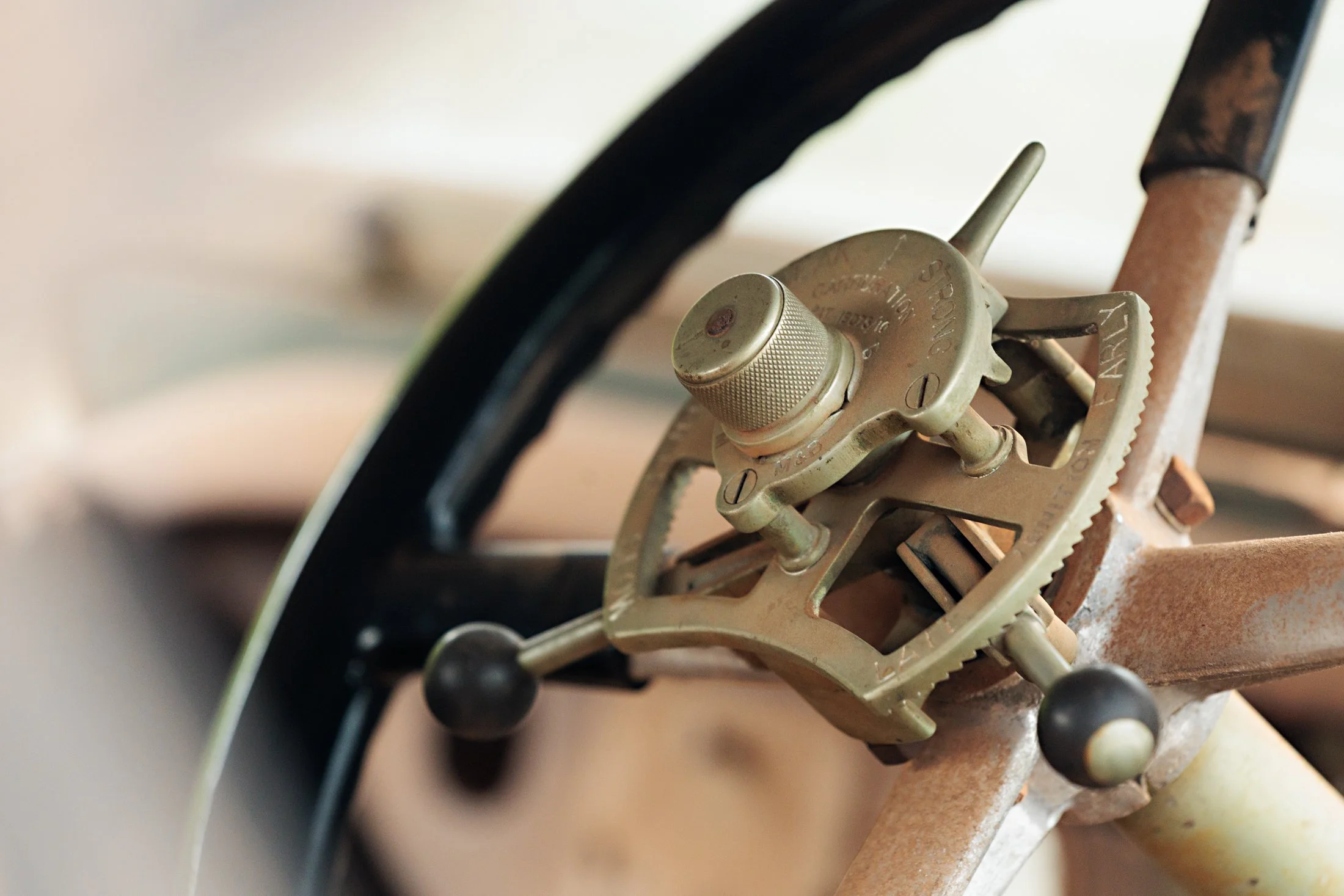
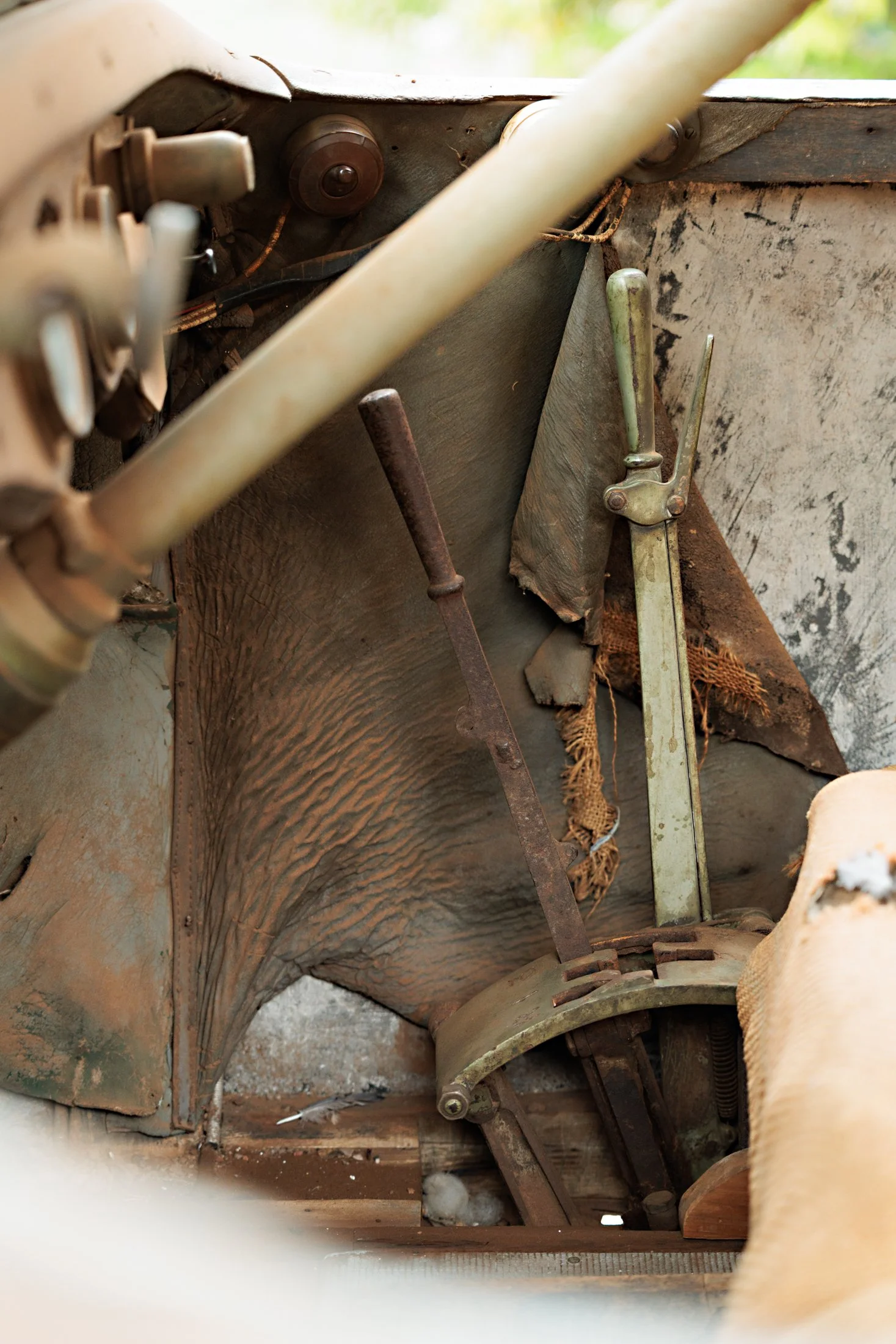
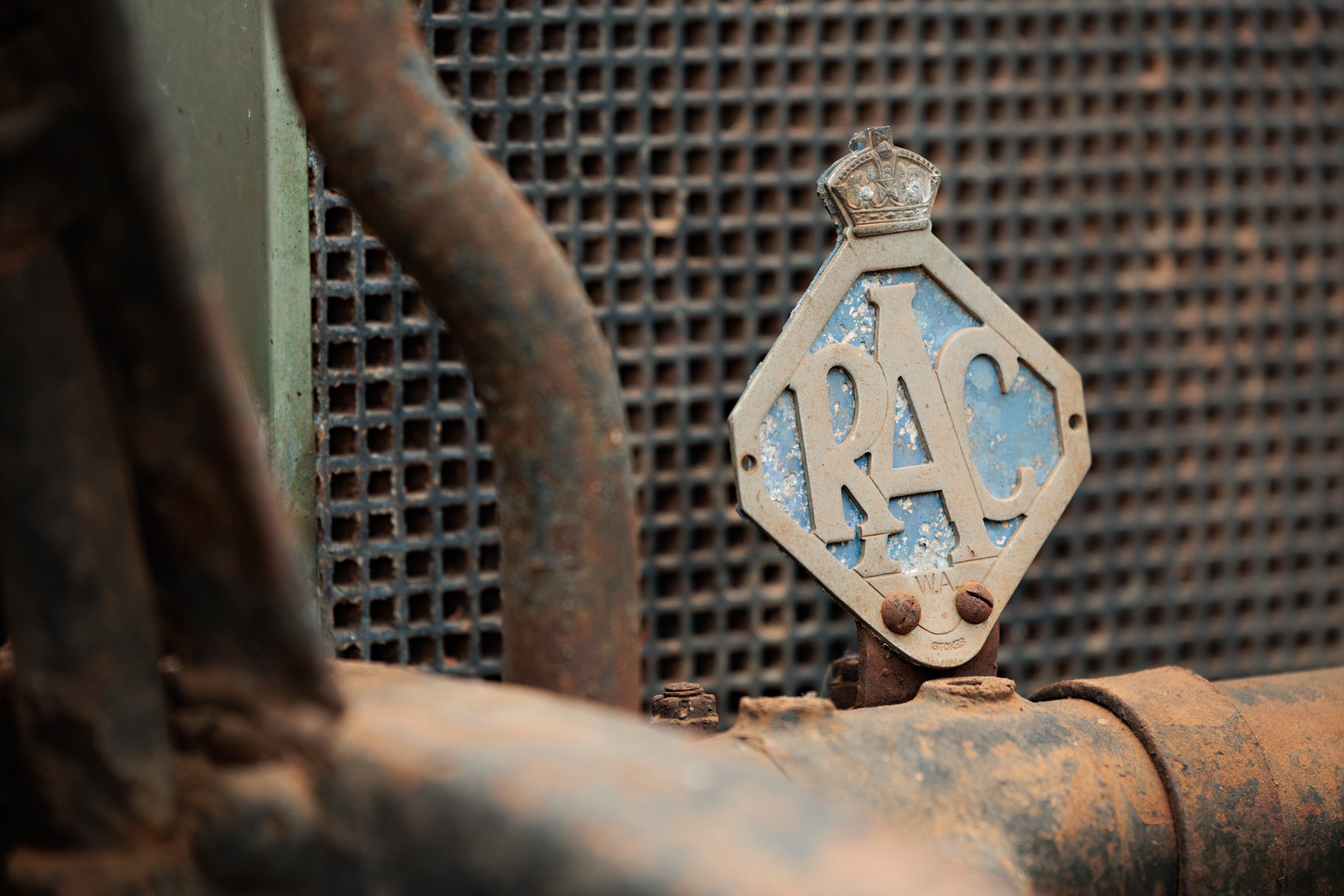
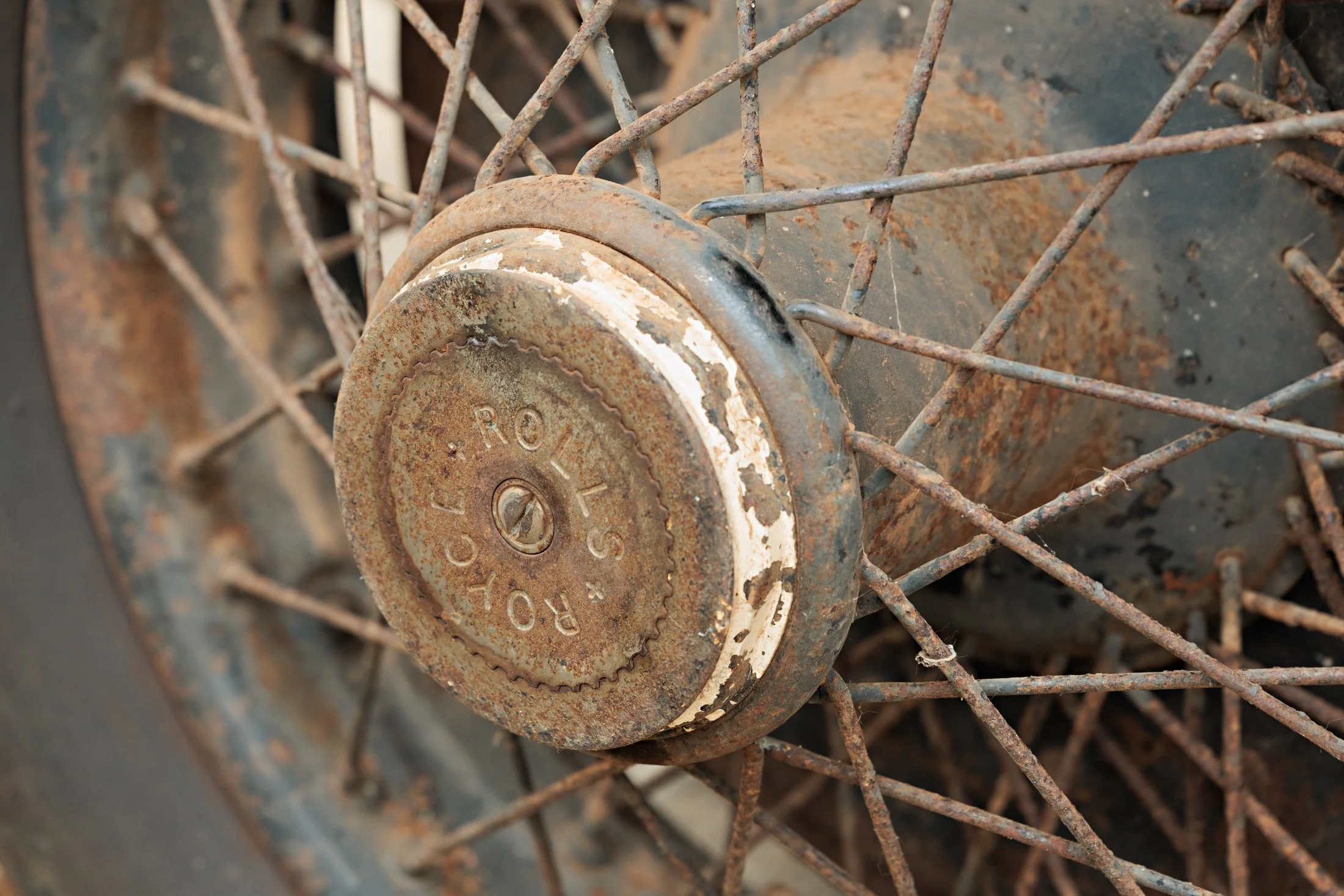
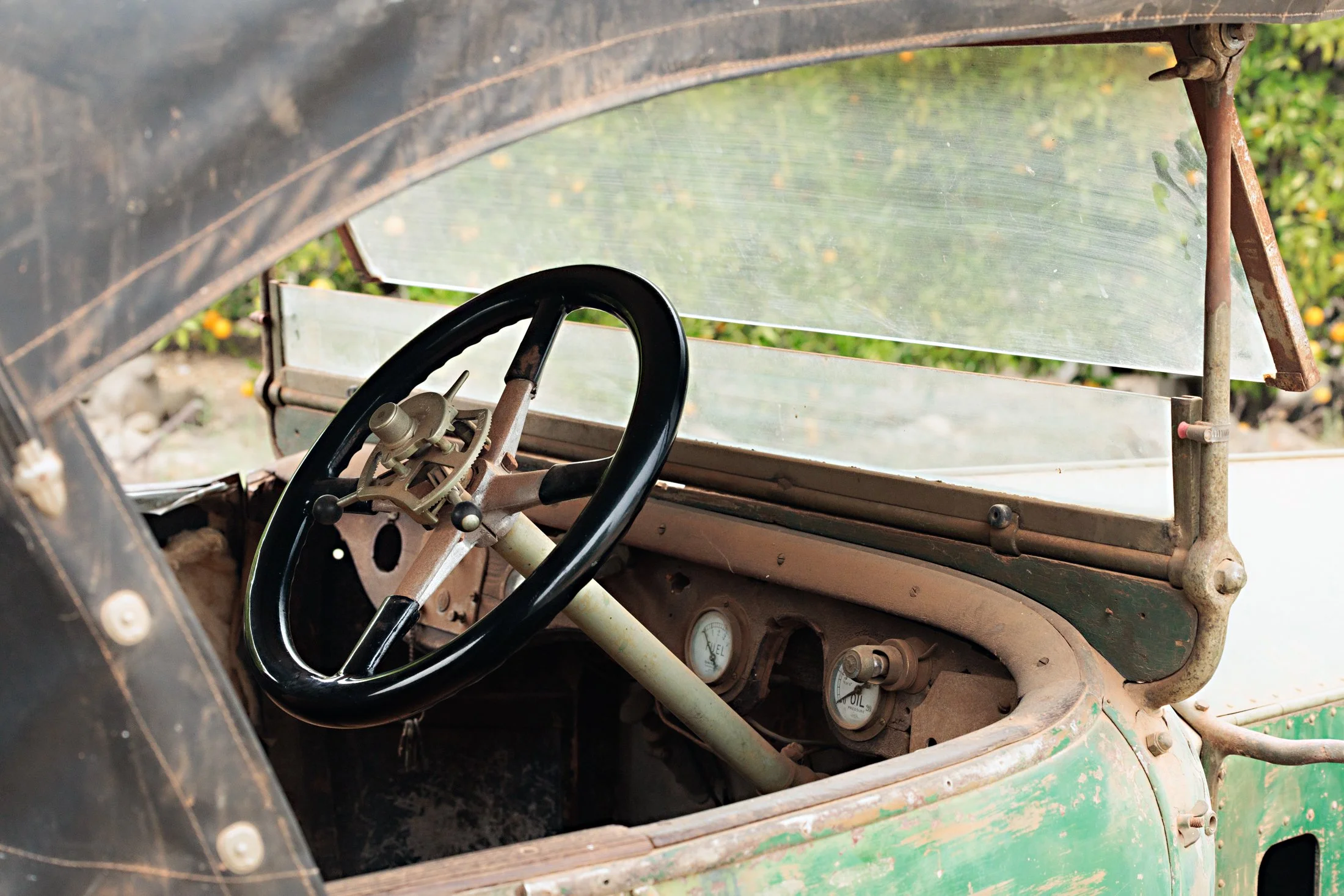
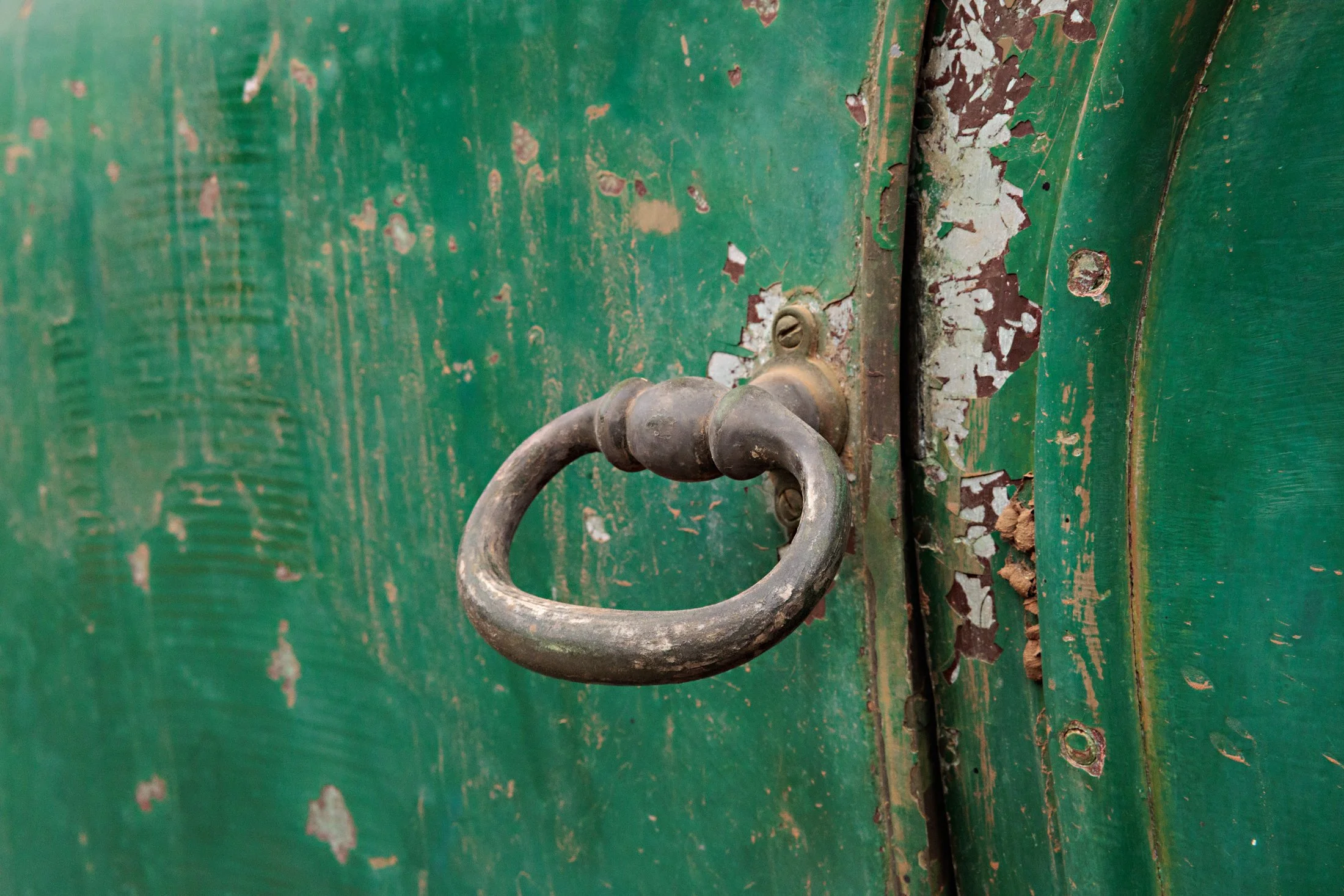
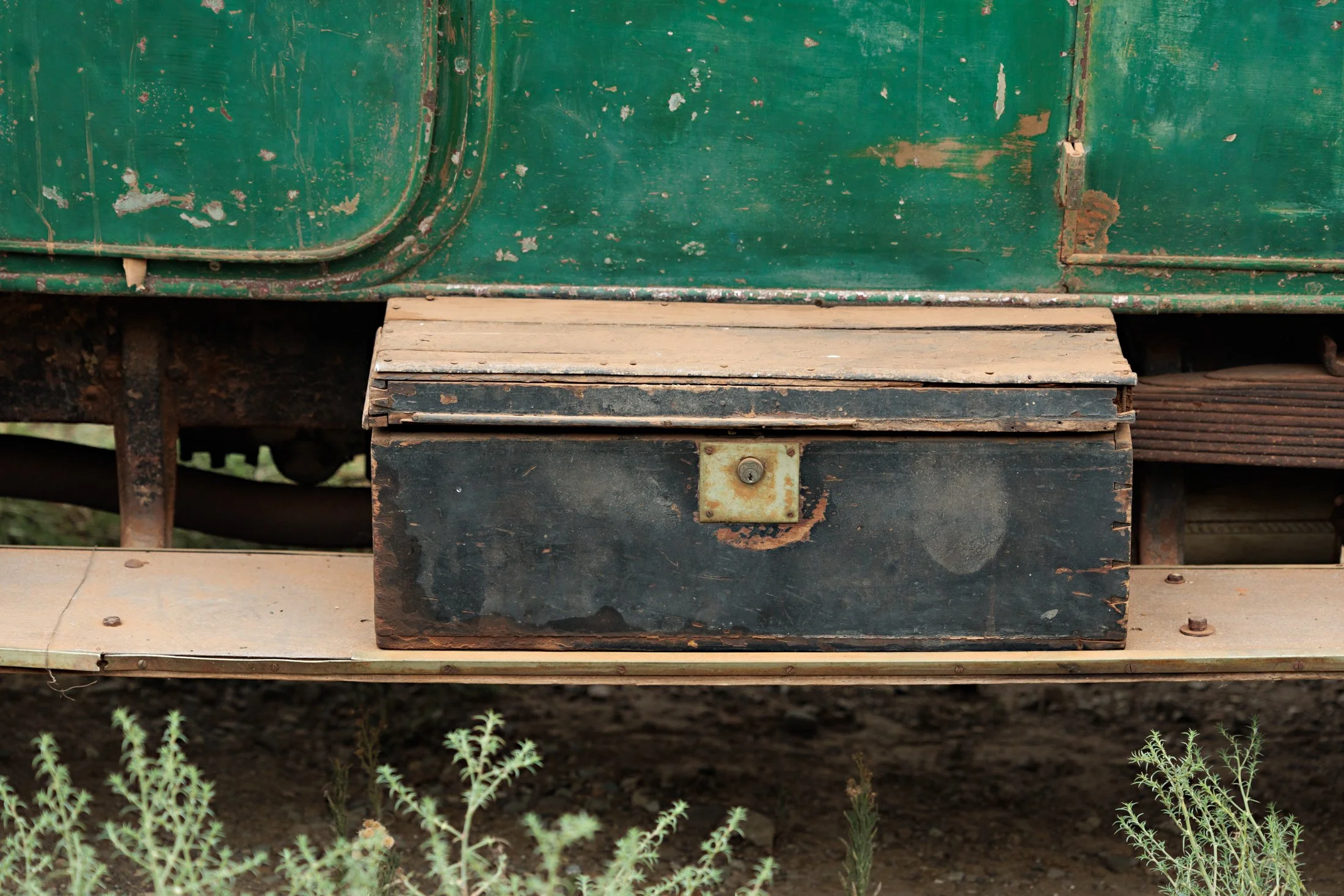
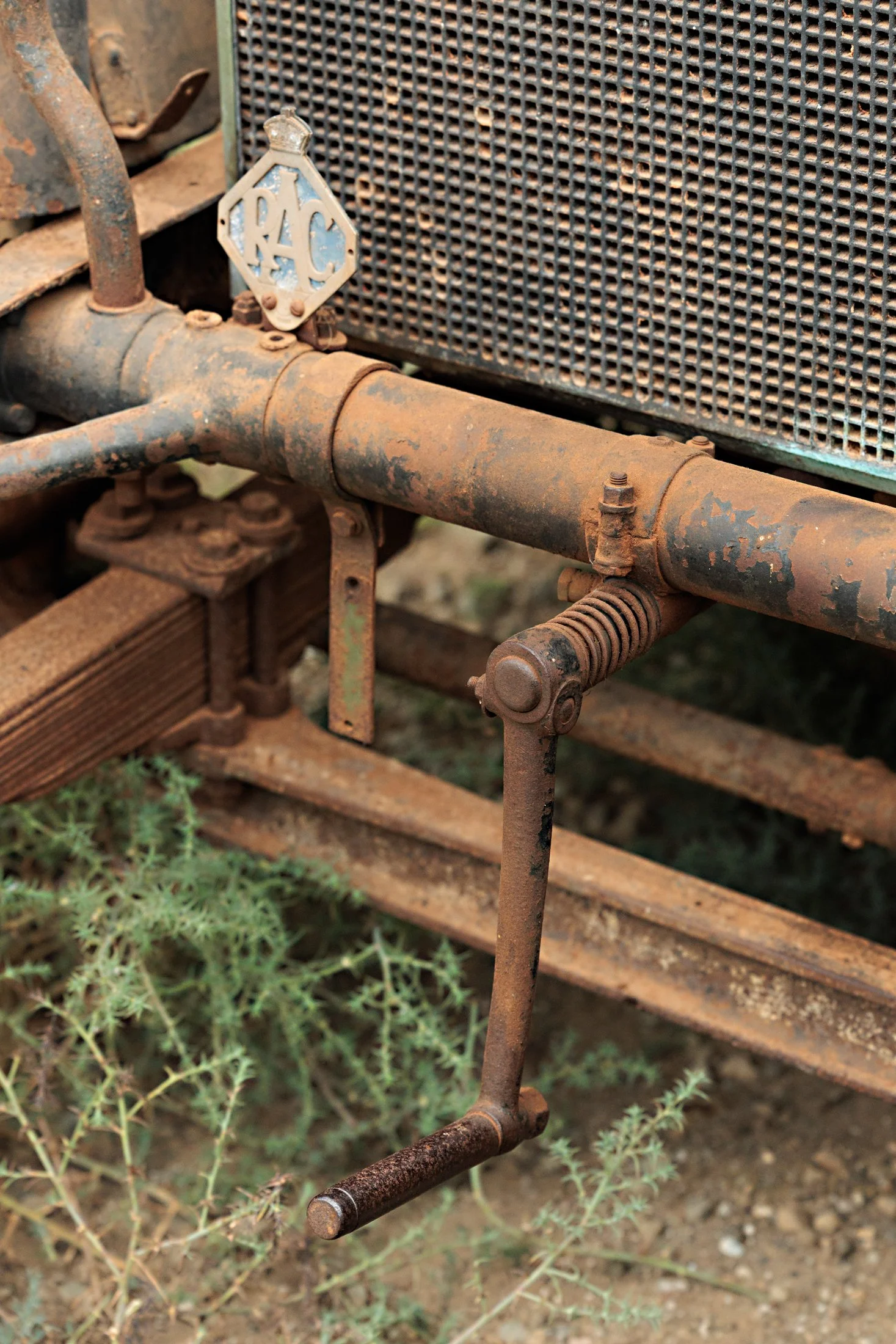
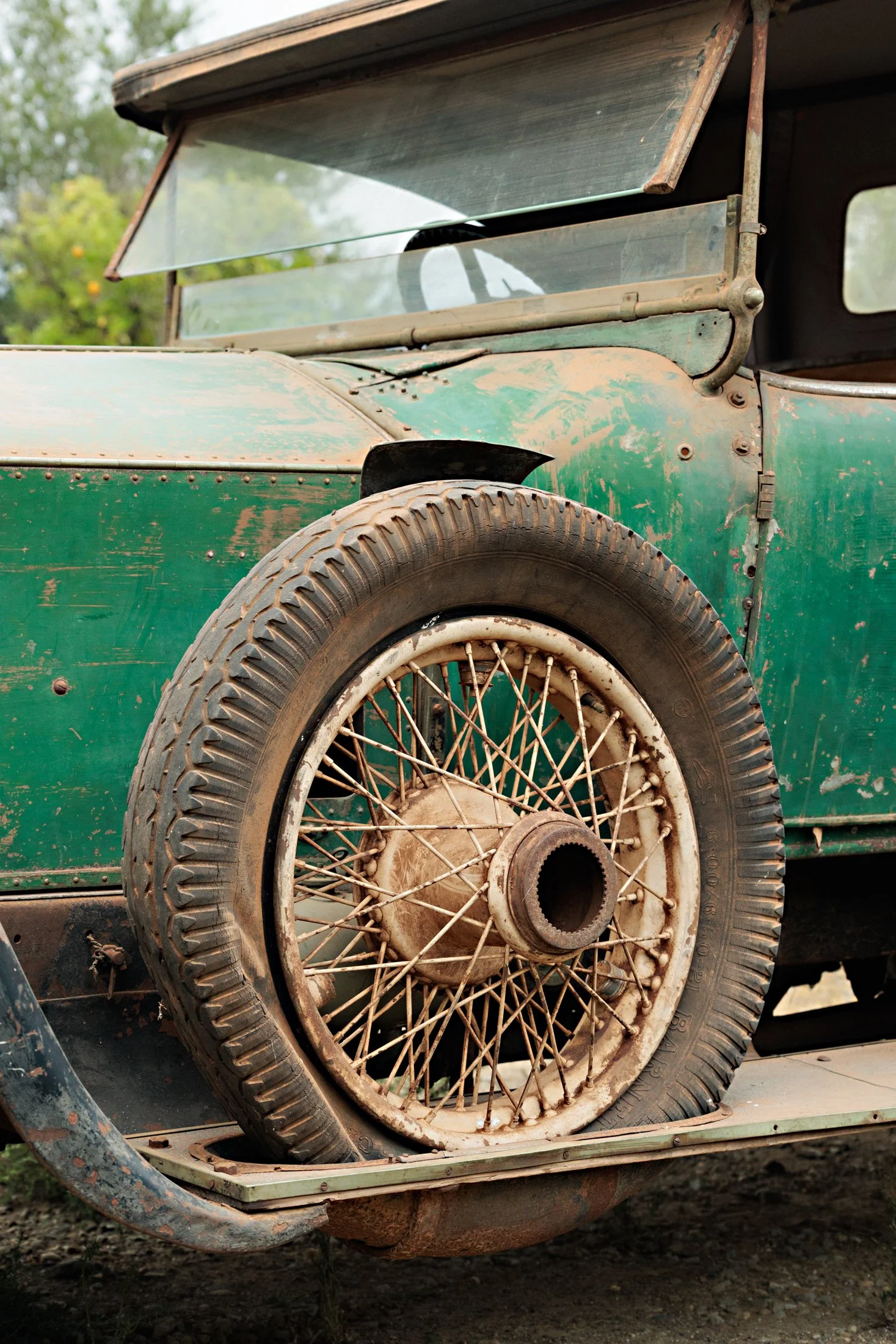
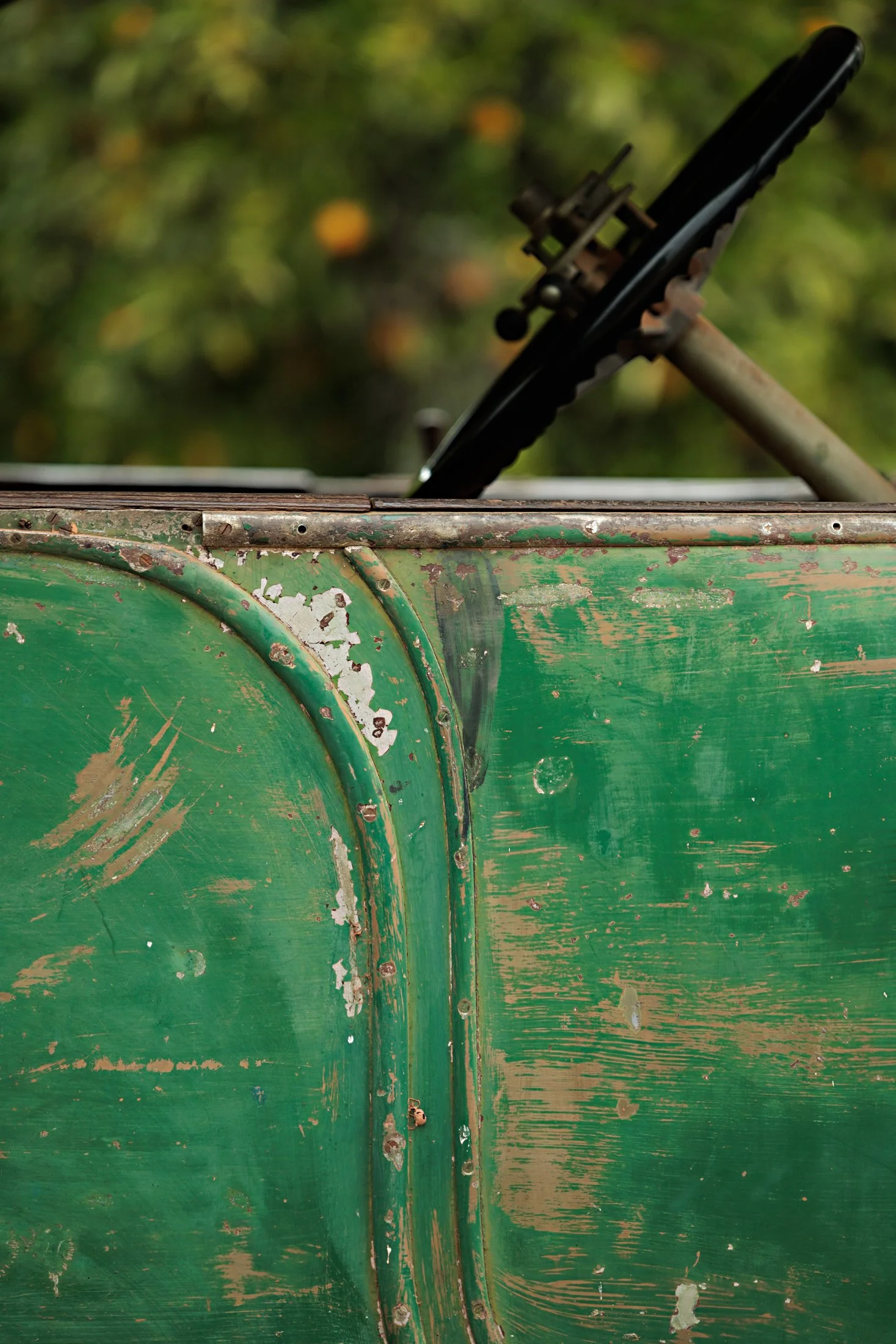
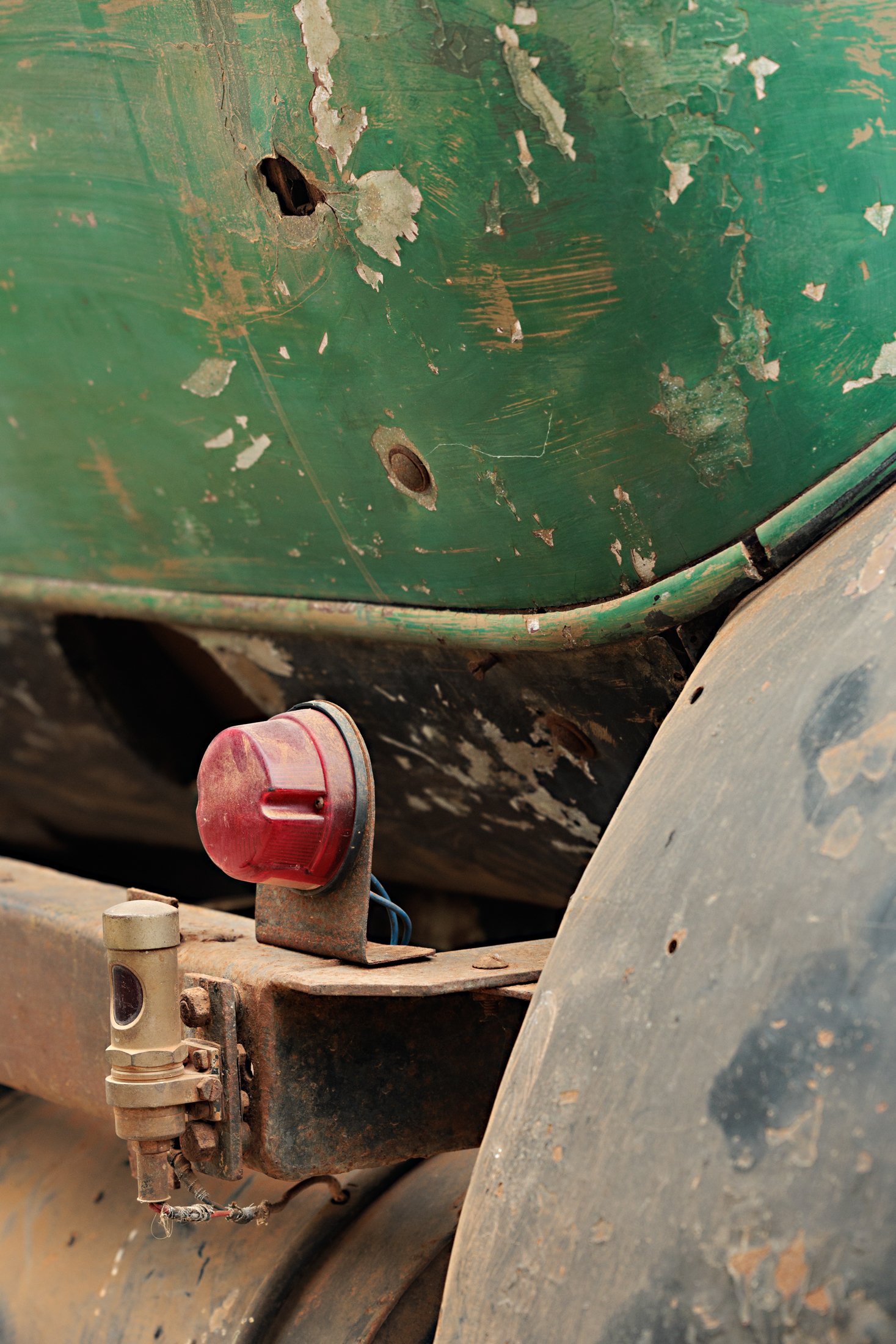
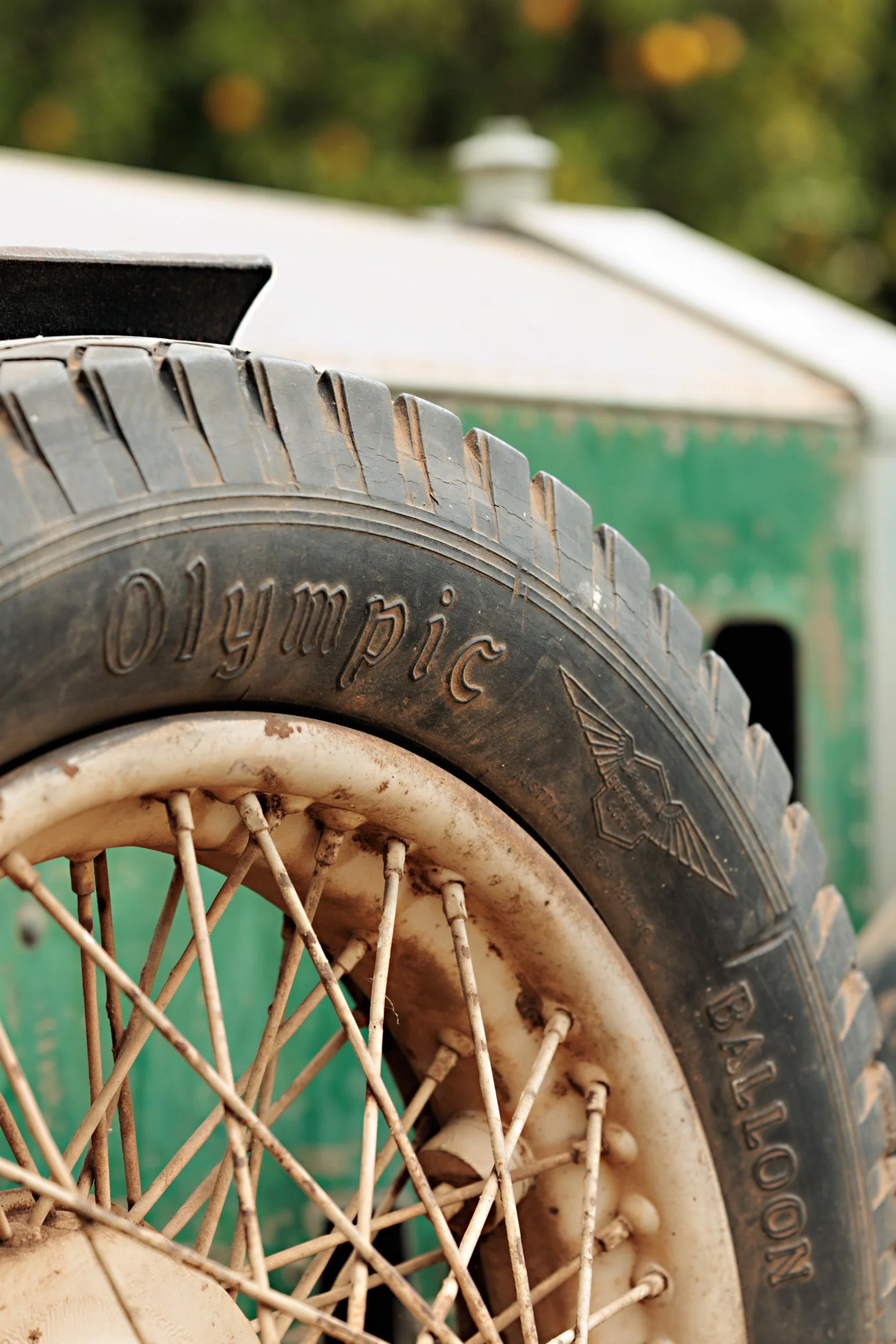
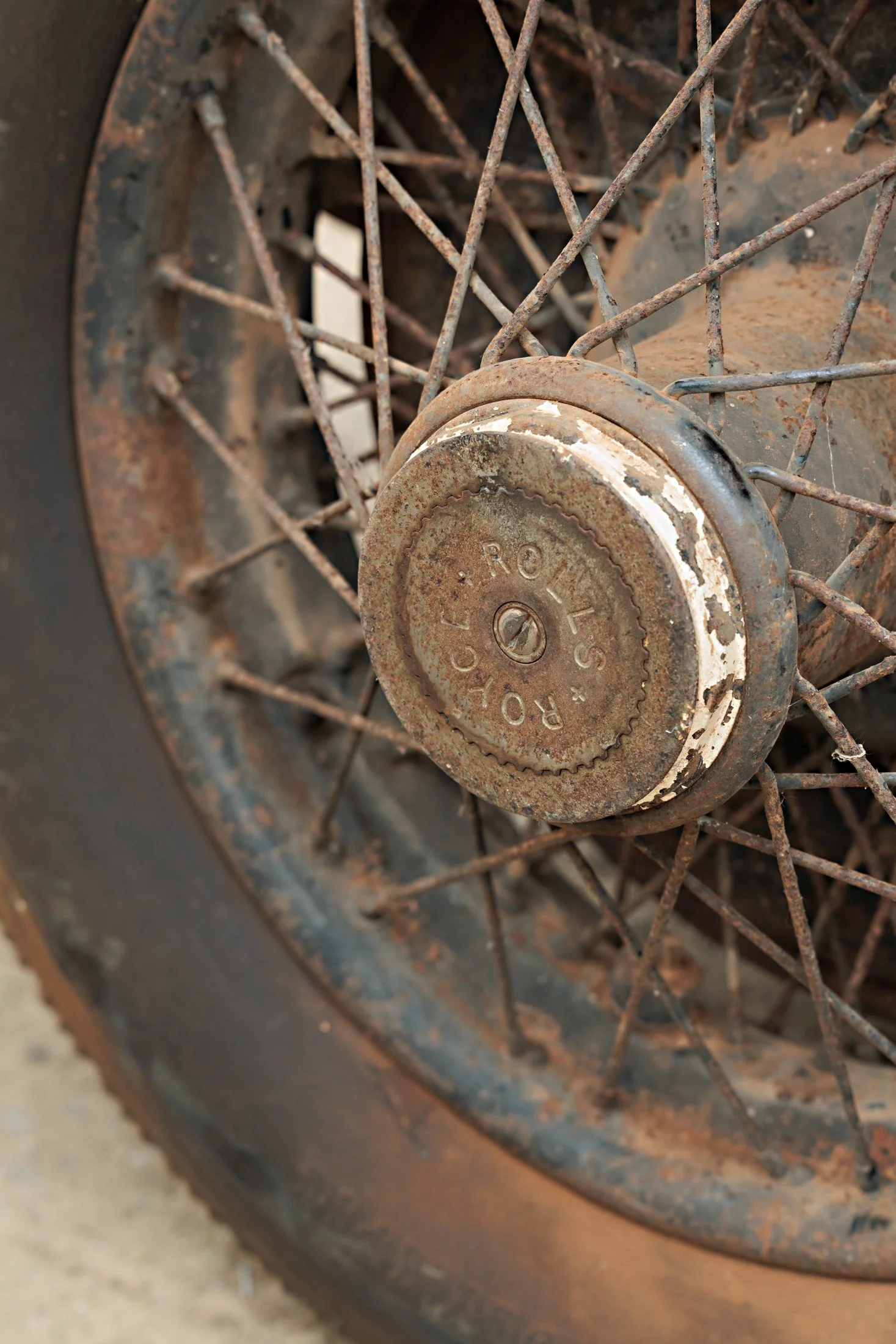
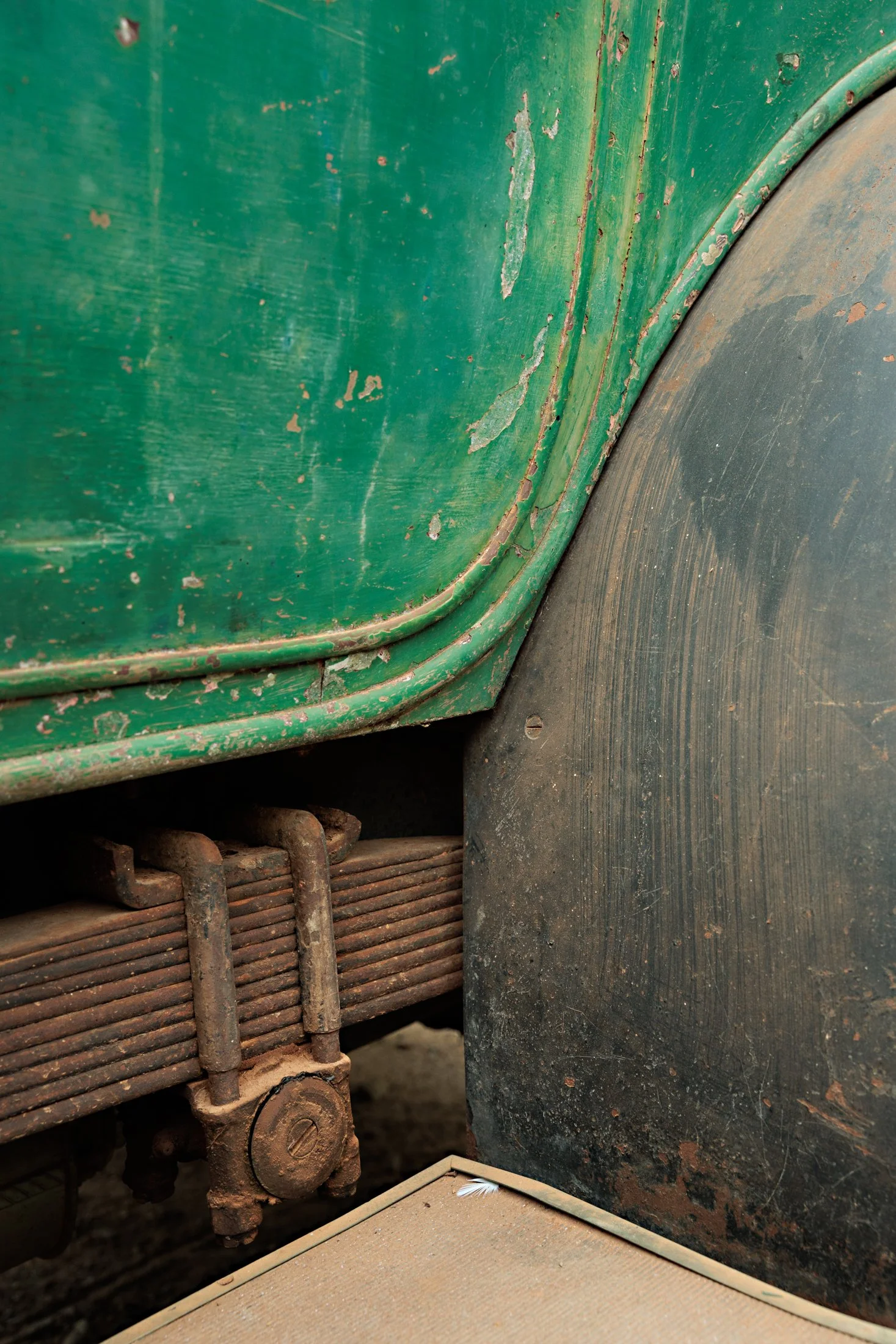
The condition of the car is remarkable. It’s undoubtedly rough and shows all the wear one might expect of a century of use on the land, but it has always been kept under cover and in dry areas of the state, so it remains remarkably rot-free. The bodywork is sound, original and barely changed in the years since it was built. Of note, the chassis and body number can be found in numerous locations, including floorboards and the car’s original hood. Even the running boards and tool boxes appear to be the originals.
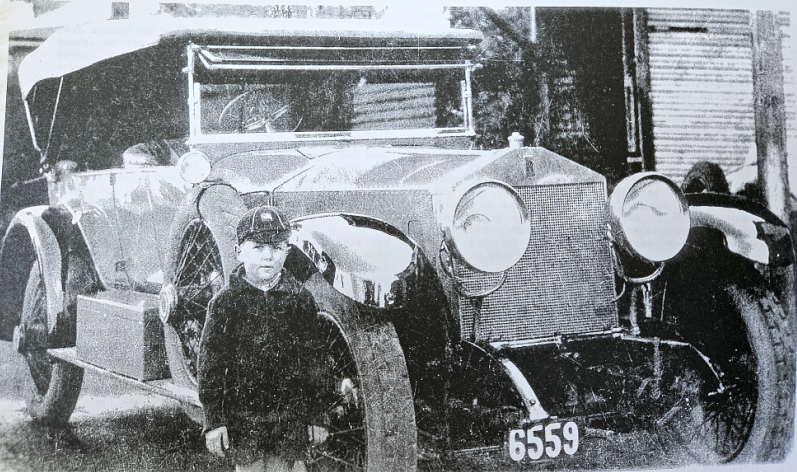
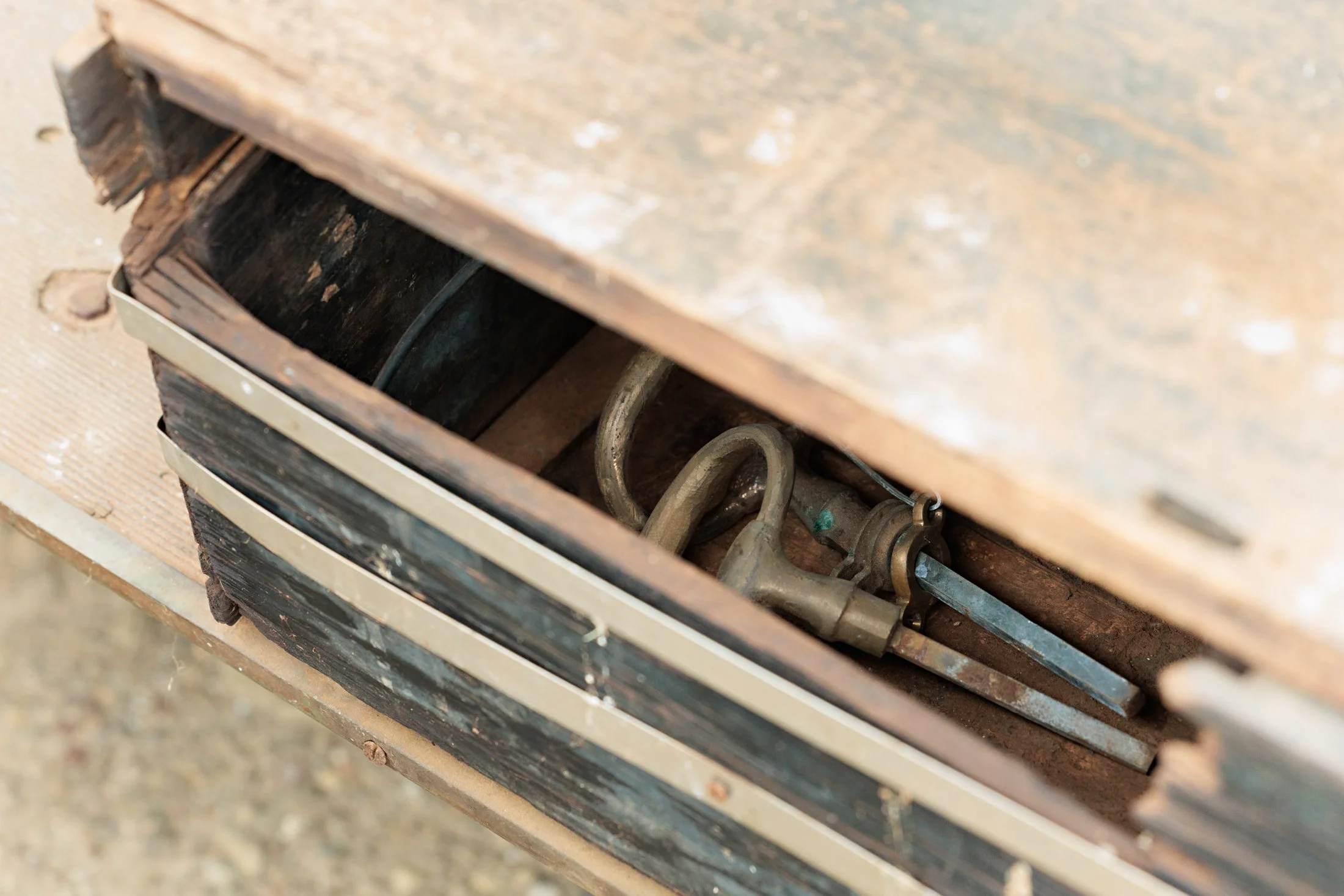
At some stage the headlights were changed, but the original stirrup brackets remain with the car, as does the scuttle-mounted sidelamp, not fitted for many years. There are a number of tools and several boxes of parts with the car.
In 2024, when the Falconer family decided it was finally time to part with 17CB. Though further sorting will certainly be needed, the Ghost remains a functioning example even after years of static storage having recently been brought to running order. A video of this can be shared upon request.
17CB is well documented in John Fasal’s tremendous book on the model and also appears with good detail in two authoritative books on Rolls-Royces in Australia. Today, this car offers an exceptionally rare opportunity to acquire and restore an unknown and totally legitimate pre-war Silver Ghost with the most desirable of coachwork.
Chassis No. 17CB
Engine No. 23S
Gearbox No. 17CB
Barker Body No. 4057
⁃ An exceptionally rare original bodied pre-war Silver Ghost
⁃ Desirable Barker tourer in exciting barn find condition
⁃ The last new pre-war Rolls-Royce imported to Australia
⁃ Just two owners from new, single-family ownership since 1924
⁃ Retaining its numbered original engine, gearbox, coachwork and more
⁃ An exceptionally rare opportunity to acquire an unknown, unrestored pre-war Silver Ghost that ticks all the boxes
One of our the more exciting finds in recent memory, this original Barker bodied Silver Ghost has been kept by the same family since 1924.
The Barker bodied open tourer, 17CB was “off test” at Rolls-Royce on August 5th 1915 and exported to Australia for delivery by importer Kellow-Falkiner in Melbourne. 17CB was one of only 14 Rolls-Royce cars delivered to private buyers during the Great War, and it was the last Rolls-Royce imported to Australia until after World War 1. The original purchaser of the car was Robert Alexander, a well-known cattle breeder based in the Hunter Valley in New South Wales.
In 1921, Dalgety & Co were appointed sole Australian agent for Rolls-Royce and promptly sold Mr. Alexander another new Rolls-Royce, subsequently listing 17CB for sale in 1923.
The Barker tourer was purchased by its second owner, Mr. Falconer, who travelled to Sydney to buy the car. The West Australian newspaper list of new registrations on September 25, 1924 registered to Mr. Falconer’s wife at their estate in Claremont. The Sunday Times on the 28th also listed the new registration of the Silver Ghost.
In Western Australia, the Rolls-Royce travelled between the Falconer’s very substantial Perth home in Claremont and their several rural properties many times. It also saw service running frequently to the Canning Stock Route (1150km from Perth - usually the preserve of 4-wheel-drives today), to various farms all over the state as well as to Menzies, where the owner had mining interests.
During World War two, 17CB was converted, with minimal modification, to run on a gas converter, with a charcoal-burner installed on the driver’s side running board. The family tells how one bag of charcoal was good for 40 miles, though later an improved gas producer was used. The Rolls-Royce also towed an agricultural trailer on occasion, on trips to the Canning Stock Route and, on another adventure, it crossed the Fitzroy River. This Silver Ghost proves the quality and adaptability of the model, remaining a highly usable example in the remote setting of Australia’s cattle and mining industry.
In December 1933, Mr. Falconer was interviewed by The West Australian newspaper about his ‘old’ Rolls-Royce, claimed to be the sole example of the brand in the state, as he extolled the virtues of his car.
During the Depression licensing of commercial vehicles was far cheaper than passenger cars, which saw many vehicles converted to utilities with truck beds fitted. The owners of 17CB were clever, adapting the bodywork into a utility without disturbing the original Barker coachwork. The rear doors remained in place, with the handles later removed (and kept, still remaining with the car along with the rear top bows). This conversion also gave the car far more carrying capacity, which proved very useful. This simple work was undertaken by Perth coachbuilders Campbell & Mannix, which mainly worked on commercial vehicles.
In 1945 the family bought a second Rolls-Royce Silver Ghost, a newer model with enclosed bodywork. It too was put to work, in turn lightening the load for 17CB. In the 1940s and 1950s it was taken on several trips to the Kimberley’s in far north Western Australia – 2500km from Perth.
The superior build quality of the Rolls-Royce showed its strengths over the decades. In the 1960s it was thought that an engine rebuild may be worthwhile. New blocks were sourced, but when 17CB’s motor was pulled down it was “found to be in such fine fettle,” that a rebore was all that was required. The new blocks were sold on. 17CB remains a ‘matching numbers’ car to this day, retaining its original engine and gearbox.
The Silver Ghost made occasional appearances at Rolls-Royce Owners Club events – some at its farm, but notably in Perth at the 1997 Federal Rally, where it gained tremendous attention, driving some 400km during the event.
Notably, 17CB has the longest continuous ownership of any Rolls-Royce in Australia, having only just arrived in the US from over 100 years of single family ownership. More significantly, this Silver Ghost has retained its original Barker tourer coachwork (numbered 4057) since new - highly uncommon amongst pre-war Ghosts from any locale.
The condition of the car is remarkable. It’s undoubtedly rough and shows all the wear one might expect of a century of use on the land, but it has always been kept under cover and in dry areas of the state, so it remains remarkably rot-free. The bodywork is sound, original and barely changed in the years since it was built. Of note, the chassis and body number can be found in numerous locations, including floorboards and the car’s original hood. Even the running boards and tool boxes appear to be the originals.
At some stage the headlights were changed, but the original stirrup brackets remain with the car, as does the scuttle-mounted sidelamp, not fitted for many years. There are a number of tools and several boxes of parts with the car.
In 2024, when the Falconer family decided it was finally time to part with 17CB. Though further sorting will certainly be needed, the Ghost remains a functioning example even after years of static storage having recently been brought to running order. A video of this can be shared upon request.
17CB is well documented in John Fasal’s tremendous book on the model and also appears with good detail in two authoritative books on Rolls-Royces in Australia. Today, this car offers an exceptionally rare opportunity to acquire and restore an unknown and totally legitimate pre-war Silver Ghost with the most desirable of coachwork.